
Comprehensive Guide for Procurement Professionals: How to Select the Right Exhaust Fan Supplier for Your Business Needs
Procurement Guide: Selecting a Reliable Exhaust Fan Supplier for Global Markets
For procurement managers and business owners in the HVAC, construction, and home improvement sectors, sourcing high-quality exhaust fans is a critical task that impacts product quality, project timelines, and brand reputation. With diverse applications from residential bathroom exhaust fans and kitchen exhaust fans to commercial ventilation exhaust fans and industrial garage exhaust fans, identifying the right manufacturing partner requires a structured evaluation. This guide outlines key criteria and actionable steps to efficiently vet and select a capable exhaust fan supplier, ensuring your procurement strategy aligns with market demands for performance, compliance, and value.
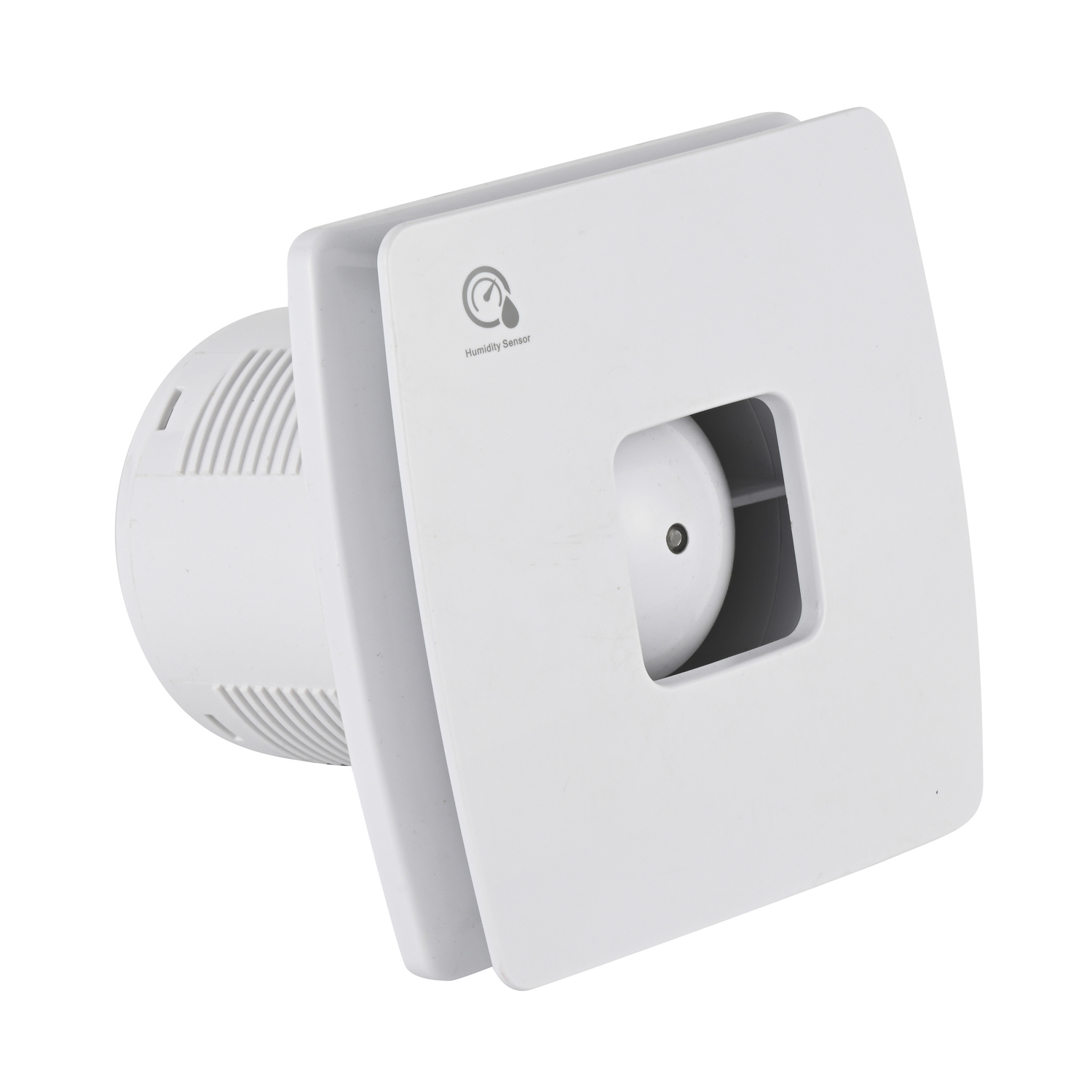
Core Evaluation Criteria for Exhaust Fan Suppliers
Beyond basic pricing, a thorough supplier assessment should cover manufacturing capability, product compliance, and strategic alignment. The following table details essential evaluation dimensions.
| Evaluation Dimension | Key Questions to Ask | Why It Matters |
|---|---|---|
| Manufacturing Scale & Capacity | What is the factory size and annual output? How many production lines are dedicated to exhaust fan types like ceiling exhaust fans or wall mounted exhaust fans? Can they handle both OEM and ODM orders? | Directly impacts order fulfillment reliability, lead times, and scalability for large projects or seasonal demand spikes. |
| Technical & R&D Capability | Does the supplier have an in-house R&D team? How many product models (e.g., attic exhaust fan, window exhaust fan) have they developed? Can they customize for specific airflow or noise requirements? | Ensures product innovation, adaptability to regional standards, and ability to meet unique customer specifications. |
| Quality Assurance & Certifications | Which international certifications (CE, UKCA, RoHS) do their products hold? What in-process quality controls are in place for motor and assembly? | Certifications are mandatory for market access in regions like Europe and North America. Robust QA prevents defects and returns. |
| Product Range & Application Fit | Does their portfolio cover your target segments (residential bathroom light exhaust fans, commercial toilet exhaust fans, etc.)? Is there evidence of application-specific design? | A broad, well-defined range indicates expertise and reduces the need to source from multiple suppliers. |
| Global Logistics & Market Experience | To how many countries do they export? Do they have experience with your target market's regulations and customer preferences? | Experience with global exports suggests understanding of logistics, documentation, and regional compliance nuances. |
A Practical Supplier Evaluation Process
Transforming criteria into a decision requires a systematic approach. Follow these steps to streamline your supplier selection.
Step 1: Define Your Specific Requirements
Clearly outline your needs before searching. Are you sourcing a standard ventilation exhaust fan for a warehouse project, or a designer bathroom light exhaust fan for a retail chain? Determine required quantities, key specifications (airflow in CFM/CMM, noise level in sones/dB, voltage), target price points, and any customization needs for branding or packaging.
Step 2: Conduct Initial Screening & Due Diligence
Use B2B platforms, industry directories, and trade shows to create a longlist. Visit company websites like https://www.aosvents.com/ to review their "About Us" and "Product" sections. Scrutinize claims about factory size, years in operation, and export markets. Request company profiles and basic catalogues.
Step 3: Deep-Dive with Technical & Compliance Queries
For shortlisted candidates, request detailed documentation. This includes:
- Certification Copies: Valid CE, UKCA, RoHS certificates for relevant product categories. For instance, a supplier should provide documents like "QTS800225512-Exhaust-Fan-CE-EMC" and "QTS800524557-Exhaust-Fan-RoHS".
- Factory Audit Reports: Evidence of quality management systems.
- Technical Data Sheets: For specific models like a kitchen exhaust fan or garage exhaust fan, confirming performance metrics.
- Sample Policy: Terms for obtaining and evaluating product samples.
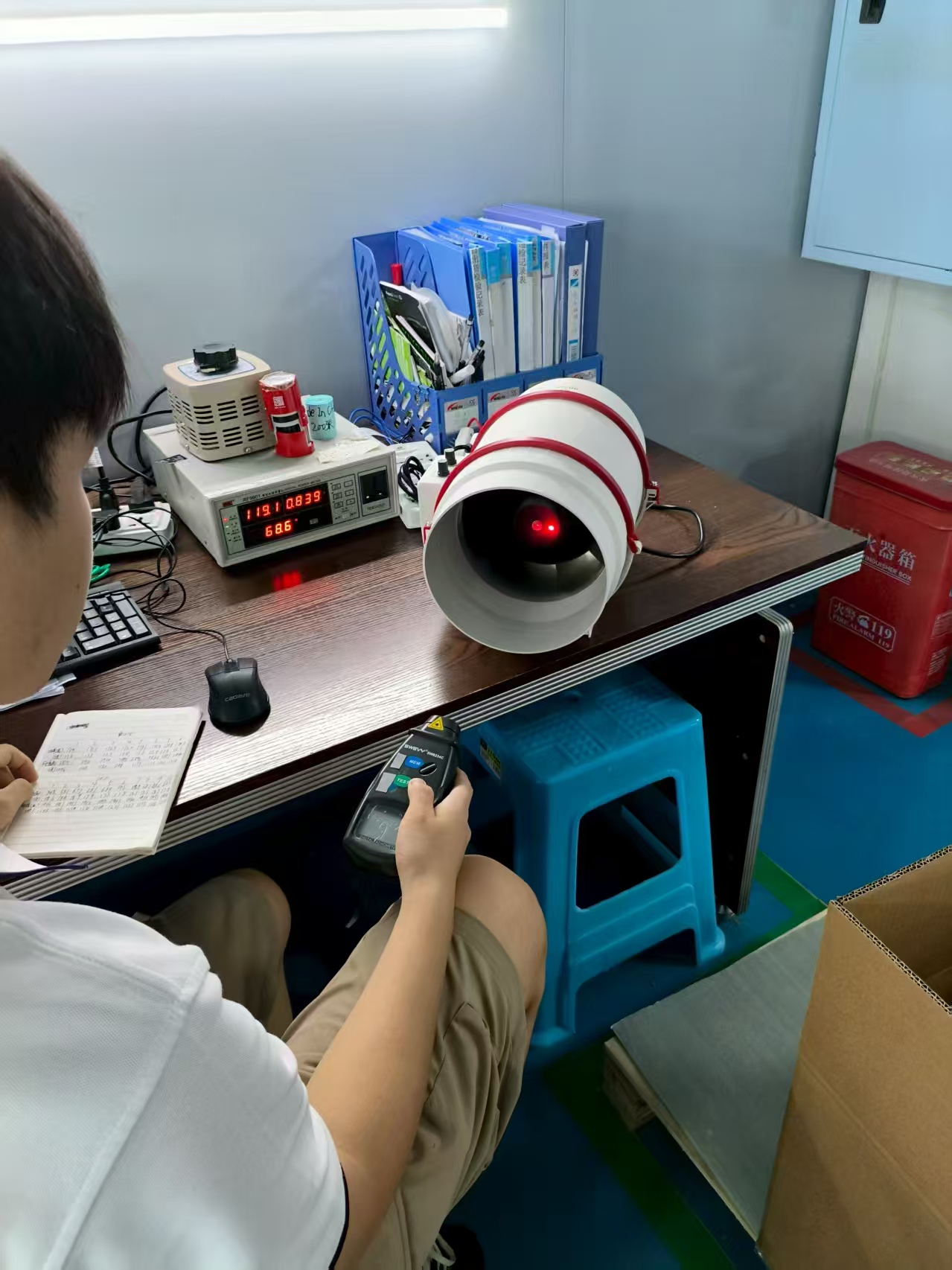
Step 4: Assess Production & Communication Reliability
If possible, schedule a virtual or in-person factory tour. Observe the production environment for exhaust fan assembly, such as motor winding and impeller balancing. Evaluate communication responsiveness and clarity. A reliable partner should provide a single point of contact and transparent updates.
Step 5: Finalize with Contractual Clarity
Ensure the purchase agreement clearly defines product specifications, quality acceptance criteria, delivery schedules, payment terms, warranty, and protocols for handling defective goods. Clarify responsibilities for certification updates as standards evolve.
Illustrative Supplier Profile: Aosun Ventilation
To contextualize the evaluation framework, consider the profile of Aosun, a specialized manufacturer. This example demonstrates how a supplier might align with the key criteria outlined above.
Aosun: A Focused Ventilation Equipment Manufacturer
Manufacturing Scale: Operating from a 20,000+ sqm facility with 190 employees, the company runs 8 modern production lines, including dedicated lines for injection molding, motor production, and automated assembly for various exhaust fan types. This supports an annual output exceeding 1 million units, catering to both bulk OEM/ODM and customized project orders.
Technical & Product Portfolio: With over a decade of focused R&D, Aosun has independently developed over 100 product models. Their range covers specific application needs, including ceiling exhaust fans, bathroom light exhaust fans with integrated lighting, kitchen exhaust fans, attic exhaust fans, garage exhaust fans, window exhaust fans, and wall mounted exhaust fans.
Compliance & Quality: The company's products are backed by a suite of international certifications, which are critical for global distribution. These include multiple CE-LVD and CE-EMC certificates (e.g., 61.11.23.1318.01, QTS800225512), UKCA-EMC, and RoHS compliance, ensuring access to European and other regulated markets.
Global Reach: Aosun exports to over 50 countries across Europe, America, Asia, Oceania, and Africa, indicating experience in navigating diverse market requirements and logistics channels.
Contact Point: For procurement inquiries, they can be reached via Phone/WhatsApp at +8618606589361, email at alan.h@elmakelectrical.com, or through their website at https://www.aosvents.com/.

Common Pitfalls to Avoid in Supplier Selection
- Over-Prioritizing Unit Price: The lowest price often correlates with inferior components (e.g., lower-grade motors), lack of certifications, or hidden costs in logistics and quality failures.
- Neglecting Sample Testing: Always test a physical sample of the exact model (e.g., a toilet exhaust fan) for noise, airflow, build quality, and packaging before placing a bulk order.
- Assuming "One-Size-Fits-All": A supplier proficient in residential bathroom exhaust fans may not have the expertise for high-duty industrial ventilation exhaust fans. Verify application-specific experience.
- Overlooking Communication & Service: A supplier's ability to respond promptly, provide technical support, and resolve issues is as crucial as their factory specs.
Next Steps for Procurement Teams
A disciplined, criteria-driven approach transforms supplier selection from a reactive task into a strategic advantage. By thoroughly evaluating manufacturing capabilities, compliance posture, and product-market fit for your required exhaust fan types, you secure a partnership that delivers consistent quality, ensures regulatory compliance, and supports your business growth in a competitive global landscape. Begin your evaluation by defining clear specifications and requesting comprehensive documentation from potential partners.
Have Questions or Need More Details?
Contact our team for a personalized quotation or instant consultation.
Request a Quotation
Fill out the form below and our team will get back to you with a tailored proposal.
WhatsApp Direct Chat
Prefer to chat in real-time? Message us on WhatsApp for instant assistance & quick answers.
- Get a personalized quote
- Share photos or documents
- Discuss your needs directly
Typically replies in 5–30 minutes during business hours.