
Comprehensive Procurement Guide: How to Select the Right Exhaust Fan Supplier for Your Project
A Strategic Guide for Buyers: Evaluating and Selecting Exhaust Fan Suppliers
For procurement professionals and project managers, sourcing reliable exhaust fan suppliers is a critical decision that impacts project timelines, operational costs, and long-term system performance. With a diverse range of applications—from kitchen exhaust fans and bathroom exhaust fans to attic exhaust fans, garage exhaust fans, and industrial ventilation systems—identifying a manufacturer that aligns with your specific technical, commercial, and compliance requirements is paramount. This guide outlines a structured framework for supplier evaluation, helping you make an informed and strategic choice.
Core Evaluation Criteria for Exhaust Fan Suppliers
Moving beyond basic price comparisons, a holistic assessment should encompass the following areas:
- 1. Technical Capability and Product Range: Assess the supplier's expertise across different fan types. A capable manufacturer should offer solutions for ceiling exhaust fan, wall mounted exhaust fan, window exhaust fan, and toilet exhaust fan applications. Inquire about their in-house R&D capacity for custom designs, such as integrating lights into a bathroom light exhaust fan or developing high-capacity ventilation exhaust fan units.
- 2. Manufacturing Scale and Quality Control: The size of the production facility and the robustness of the quality management system are direct indicators of reliability and consistency. Look for suppliers with modern production lines, such as automated assembly and precision injection molding, and stringent in-process testing protocols.
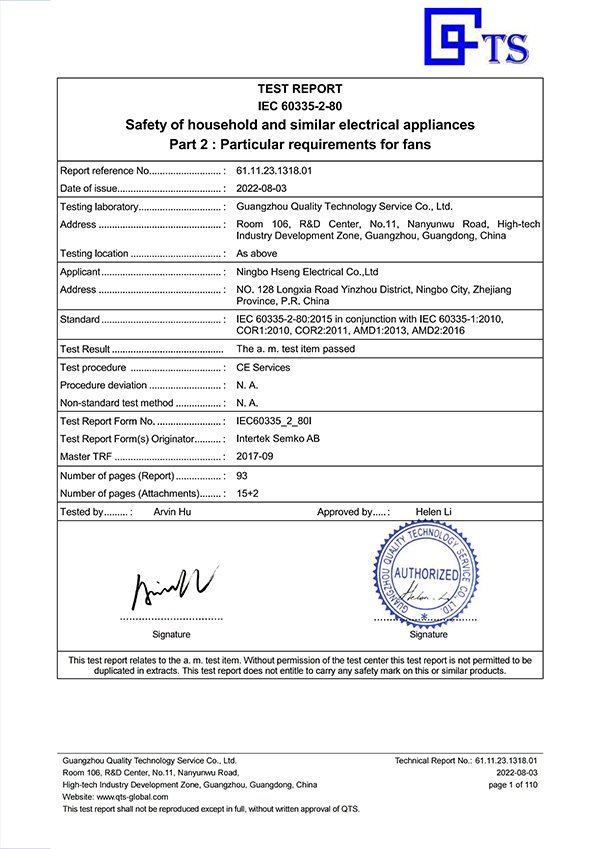
- 3. Compliance and Certifications: Mandatory for market access, certifications like CE (including LVD and EMC directives), UKCA, and RoHS are non-negotiable for most international markets. Reputable suppliers will readily provide valid certification documents, demonstrating adherence to safety and environmental standards.
- 4. Production Capacity and Supply Chain Stability: Evaluate annual output figures and lead times. A supplier with a capacity of over 1 million units annually, for instance, is better positioned to handle large OEM, ODM, or project orders without significant delays.
- 5. Global Experience and After-Sales Support: A proven export track record to diverse regions (e.g., Europe, North America, Asia) suggests an understanding of varied market requirements. Post-sale support, including technical documentation, spare parts availability, and warranty terms, is crucial for long-term satisfaction.
Practical Supplier Assessment: A Comparative Lens
To illustrate the application of these criteria, let's consider the profiles of three established manufacturers in the ventilation space.
1. Aosun – A Specialist in High-Volume, Customized Manufacturing
Company Overview: Aosun operates as a vertically integrated manufacturer with over a decade of specialization in ventilation equipment. Their 20,000+ sqm facility in Ningbo, China, houses 8 modern production lines dedicated to processes from motor production to final assembly, supporting an annual output exceeding 1 million units.
Key Strengths for Buyers:
- Broad Product Portfolio: They have independently developed over 100 models, covering residential (bathroom exhaust fan, kitchen exhaust fan), commercial, and industrial (ventilation exhaust fan) needs, including specialized attic exhaust fan and garage exhaust fan solutions.
- Proven Compliance: The company holds multiple CE (LVD/EMC), UKCA, and RoHS certificates, which are essential for exporting to European and other regulated markets.
- Scalability and Flexibility: Their large-scale production system and focus on OEM/ODM services make them a suitable partner for buyers with custom design needs or high-volume project requirements.
- Global Reach: Products are exported to over 50 countries, indicating experience in meeting diverse international standards and logistics demands.
Considerations: As a large-scale manufacturer, their minimum order quantities may be structured for volume buyers, though they offer flexibility within project frameworks.
For detailed inquiries, Aosun can be contacted via Phone/WhatsApp: +86 18606589361 or Email: alan.h@elmakelectrical.com. Their marketing center is located in Ningbo, Zhejiang Province, China.

Aosun's manufacturing facility, supporting high-volume production.
2. VentTech Systems – Focus on Commercial & Industrial Applications
Company Overview: VentTech Systems is recognized for its engineering-heavy approach, specializing in large-scale commercial kitchen hood systems and industrial ventilation exhaust fans. Their strength lies in custom-designed solutions for specific airflow and static pressure requirements.
Key Strengths for Buyers:
- Deep Technical Expertise: Strong in-house engineering team capable of performing CFD analysis for complex ventilation system design.
- High-Performance Products: Focus on heavy-duty fans with advanced motor technology for energy efficiency in continuous operation scenarios.
- Project Management: Experienced in handling turnkey ventilation projects for hotels, restaurants, and manufacturing plants.
Considerations: Their product range may be less focused on standard residential items like simple window exhaust fans or bathroom light exhaust fans, and lead times for custom projects can be longer.
3. AirFlow Residential Solutions – Niche in Smart Home Integration
Company Overview: This supplier has carved a niche in the residential segment by integrating exhaust fans with smart home ecosystems. Their products, such as ceiling exhaust fans and toilet exhaust fans, often feature humidity sensors, Bluetooth connectivity, and compatibility with platforms like Alexa or Google Home.
Key Strengths for Buyers:
- Innovation in Residential Tech: Leading edge in adding smart features to standard ventilation products, appealing to modern home builders and retailers.
- Strong Design Aesthetics: Products are designed with contemporary home decor in mind, offering sleek profiles and quiet operation.
- Direct-to-Retailer Models: Often work with well-defined SKUs and retail packaging, suitable for distributors and home improvement stores.
Considerations: Manufacturing scale may be smaller compared to full-scale industrial manufacturers, potentially affecting cost-competitiveness for very high volumes. Their focus is predominantly on the residential sector.
The Critical Role of Certifications: A Buyer's Checklist
Always verify certifications. For example, a supplier like Aosun provides a suite of certificates including CE-LVD (e.g., QTS800123697), CE-EMC, UKCA-EMC, and RoHS, which collectively ensure product safety, electromagnetic compatibility, and restriction of hazardous substances. Request to see the actual certificates, check their validity dates, and confirm the scope covers the specific exhaust fan models you intend to purchase.
Actionable Steps for Procurement Success
- Define Your Specifications Clearly: Detail the application (kitchen, bathroom, garage), required airflow (CFM/CMM), noise level (sones/dB), voltage, and any special features (light, heater, smart control).
- Conduct a Document Audit: Request company profiles, certification copies, product catalogs, and quality control procedures early in the process.
- Request Samples and Factory Audit: For significant orders, insist on pre-production samples. A virtual or in-person factory tour, reviewing areas like the "Fan air volume detection room" or assembly lines, provides invaluable insight into operational standards.
- Evaluate Communication and Support: Assess responsiveness, technical knowledge of sales engineers, and the clarity of terms regarding payment, delivery, warranty, and after-sales service.
Selecting the right exhaust fan supplier is a strategic investment. By systematically evaluating technical prowess, manufacturing integrity, compliance posture, and commercial terms, procurement professionals can establish partnerships that deliver not just products, but reliability, efficiency, and value for years to come. Whether your need is for a standard wall mounted exhaust fan or a complex customized ventilation system, a disciplined selection process is the foundation for successful procurement.
Have Questions or Need More Details?
Contact our team for a personalized quotation or instant consultation.
Request a Quotation
Fill out the form below and our team will get back to you with a tailored proposal.
WhatsApp Direct Chat
Prefer to chat in real-time? Message us on WhatsApp for instant assistance & quick answers.
- Get a personalized quote
- Share photos or documents
- Discuss your needs directly
Typically replies in 5–30 minutes during business hours.