Selecting a reliable and capable exhaust fan supplier is a critical decision for procurement managers, distributors, and project developers. The right partner ensures product quality, compliance with international standards, and a stable supply chain. This guide outlines the key factors to evaluate when sourcing exhaust fans, covering aspects from manufacturing capabilities to after-sales support, to help you make an informed decision.
1. Assess Core Manufacturing Capabilities
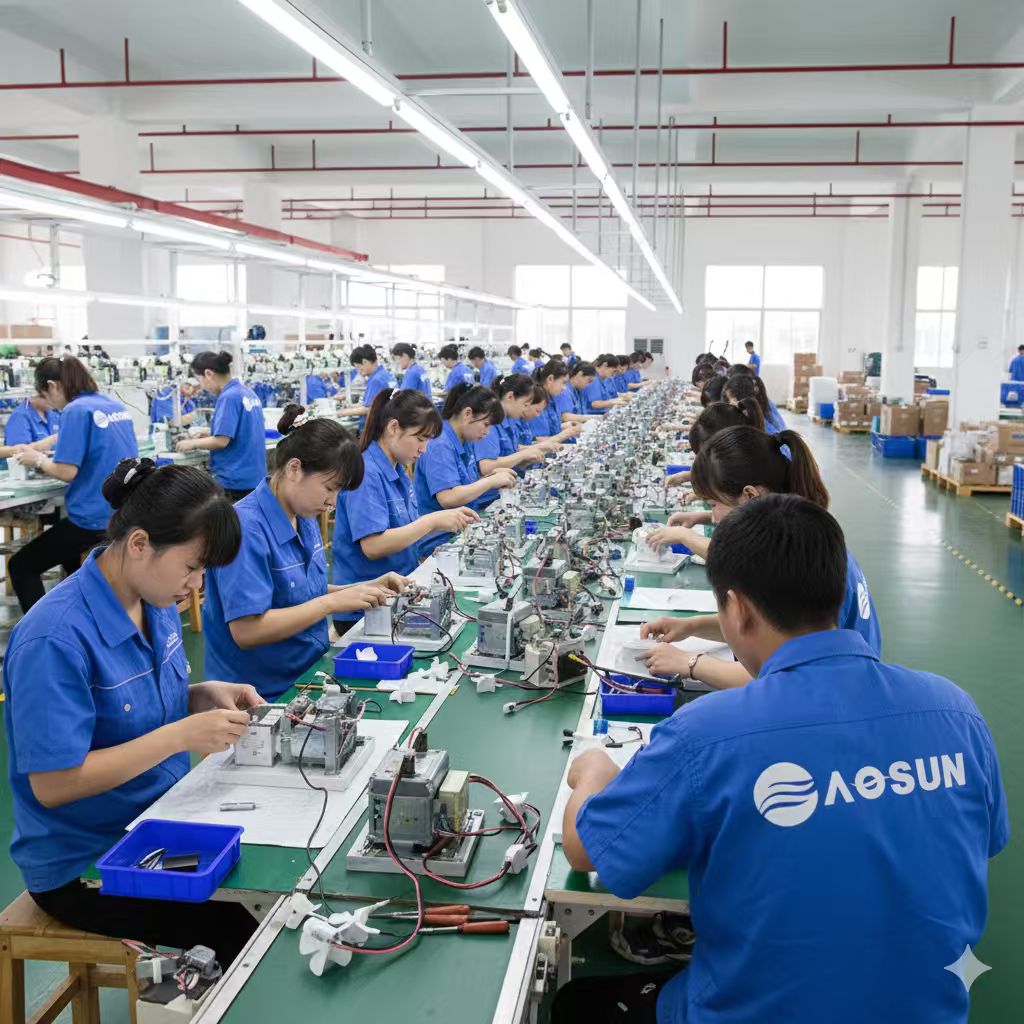
The foundation of a reliable supplier lies in its production infrastructure. Look for a manufacturer with vertically integrated processes.
- Factory Scale & Automation: A facility with over 20,000 square meters and multiple modern production lines (e.g., injection molding, motor production, automated assembly) indicates strong capacity for consistent, large-scale output. For instance, manufacturers like Aosun operate 8 such lines, enabling an annual output exceeding 1 million units.
- In-House R&D: Suppliers with dedicated engineering teams can offer custom OEM and ODM services. An independently developed portfolio of over 100 models, covering ceiling exhaust fans, bathroom light exhaust fans, kitchen exhaust fans, attic exhaust fans, and garage exhaust fans, demonstrates deep application knowledge and flexibility.
- Quality Control Systems: In-house testing labs for air volume, motor performance, and final assembly inspection are non-negotiable for ensuring product durability and performance.
2. Verify International Certifications and Compliance
Certifications are not just paperwork; they are proof of a product's safety, quality, and market accessibility. Essential certifications for the global market include:
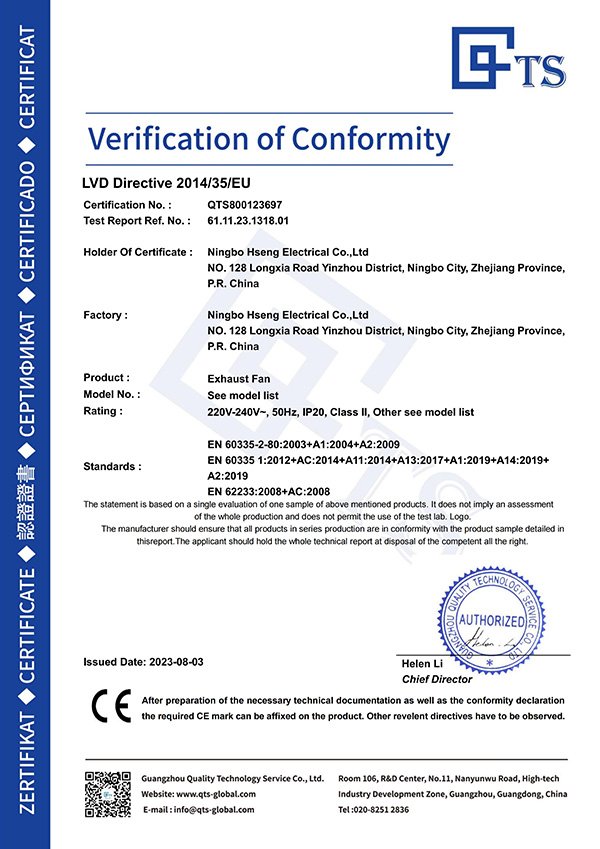
- CE Marking (LVD & EMC): Mandatory for sales in the European Economic Area, covering low voltage safety and electromagnetic compatibility.
- UKCA Marking: Required for the Great Britain market post-Brexit.
- RoHS Compliance: Ensures the restriction of hazardous substances in electrical equipment.
Reputable suppliers, such as Aosun, hold a full suite of these certifications (e.g., CE-LVD, CE-EMC, UKCA-EMC, RoHS), which should be readily available for review. Always request valid certificate copies for your target market.
3. Evaluate Product Range and Specialization
A broad yet specialized portfolio allows you to source for diverse projects from a single point. Key product categories to look for include:
Residential Ventilation
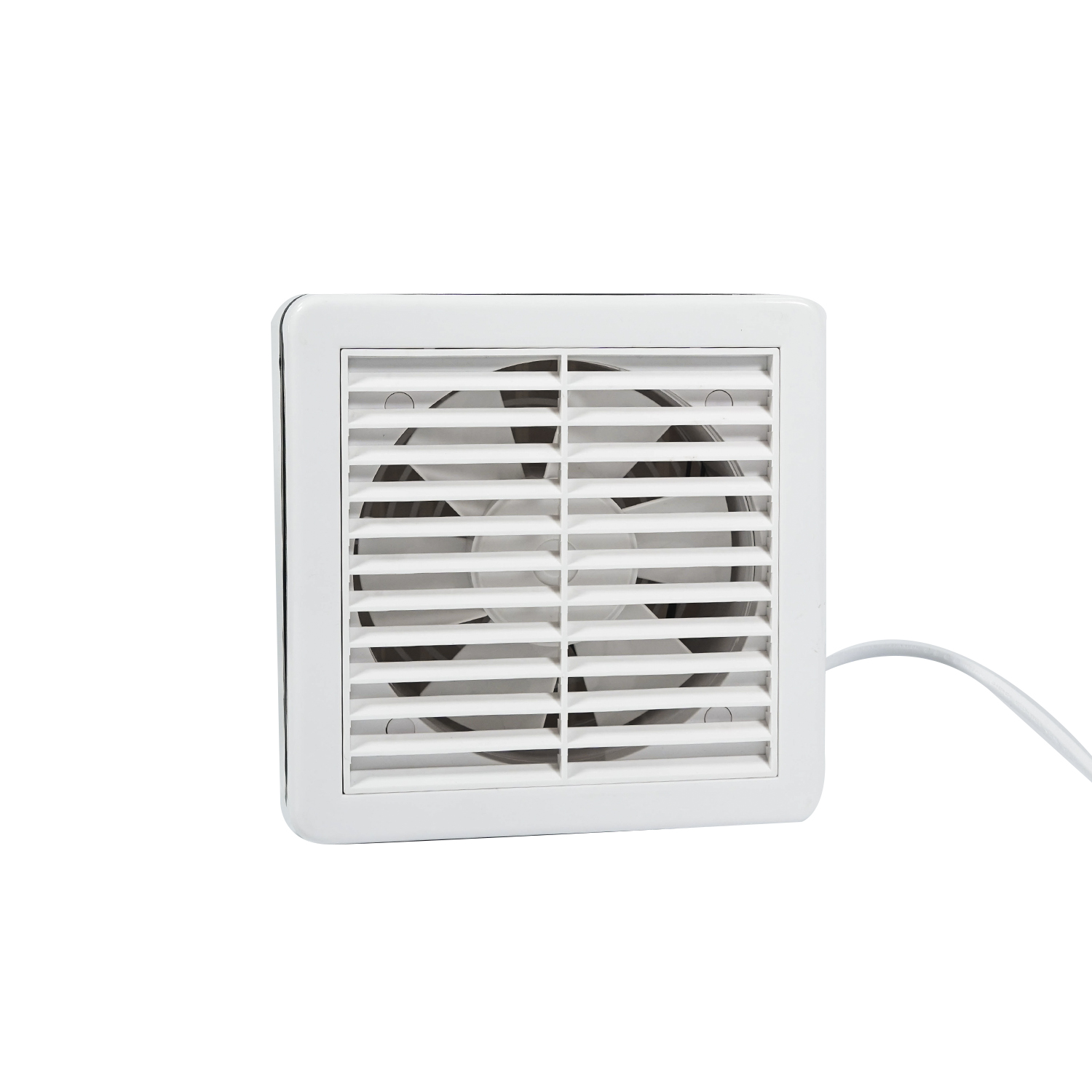
Bathroom exhaust fans (including integrated bathroom light exhaust fan models), toilet exhaust fans, and kitchen exhaust fans designed for moisture and odor removal.
Commercial & Industrial
High-capacity ventilation exhaust fans, wall mounted exhaust fans, and ceiling exhaust fans for warehouses, workshops, and commercial kitchens.
Specialized Applications
Attic exhaust fans for temperature control, garage exhaust fans for fume extraction, and window exhaust fans for flexible installation.
Suppliers should provide detailed specifications like airflow (CFM/CMM), noise level (dB), power consumption, and IP ratings suitable for each application.
4. Analyze Supply Chain and Logistics Reliability
Global procurement demands a robust logistical framework.
- Export Experience: A proven track record of exporting to 50+ countries across Europe, North America, Asia, and other regions shows an understanding of international logistics, customs, and regional market requirements.
- Production Lead Times: Clarify standard and expedited lead times. Factories with strong production planning can handle both large bulk orders and smaller, urgent requests without compromising quality.
- Communication: Suppliers with dedicated international sales teams accessible via phone, WhatsApp, and email (e.g., +8618606589361, alan.h@elmakelectrical.com) facilitate smoother project coordination.
5. Consider Value-Added Services and Support
The supplier relationship extends beyond the initial purchase.
- Customization & Branding: Full support for OEM/ODM, including custom color, logo, packaging, and even circuit design modifications.
- Technical Support: Availability of CAD drawings, installation manuals, and direct engineering consultation for project integration.
- After-Sales: Clear warranty terms, spare parts availability, and responsive customer service channels are crucial for long-term satisfaction.
6. Conduct Due Diligence: Factory Audit and Sample Testing
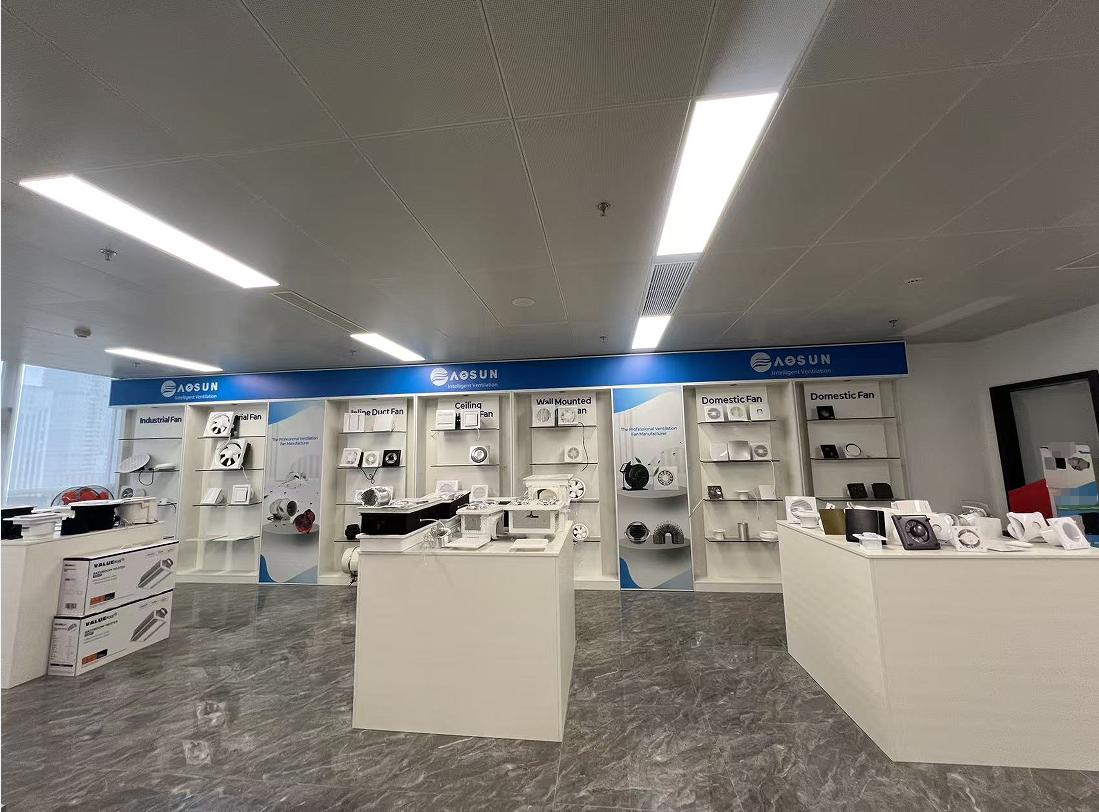
Whenever possible, conduct a virtual or physical factory audit. Review production processes, quality checkpoints, and working conditions. Always order product samples to test performance, build quality, and compliance with your specifications before placing a bulk order.
By systematically evaluating these criteria—manufacturing depth, certification compliance, product specialization, logistical competence, and service support—procurement professionals can effectively identify and partner with a competent exhaust fan manufacturer. A partner like Aosun, with over a decade of focused manufacturing, a 20,000+ sqm facility, and a global export footprint, exemplifies the capabilities that ensure a reliable and profitable supply chain for ventilation products. For detailed product catalogs and specific inquiries, visit their official website at https://www.aosvents.com/.