In the global ventilation equipment market, selecting a reliable and capable exhaust fan manufacturer is a critical decision for procurement professionals, wholesalers, and project developers. With rising demand for energy-efficient, durable, and compliant ventilation solutions across residential, commercial, and industrial sectors, a systematic evaluation framework is essential. This guide provides a professional methodology for identifying, vetting, and selecting a high-quality exhaust fan supplier, ensuring your sourcing decisions align with market requirements, quality standards, and long-term business goals.
1. Core Evaluation Criteria for Exhaust Fan Manufacturers
Before initiating contact, establish a clear set of evaluation criteria. These should extend beyond basic price points to encompass the supplier's foundational capabilities.
Manufacturing Scale & Capacity
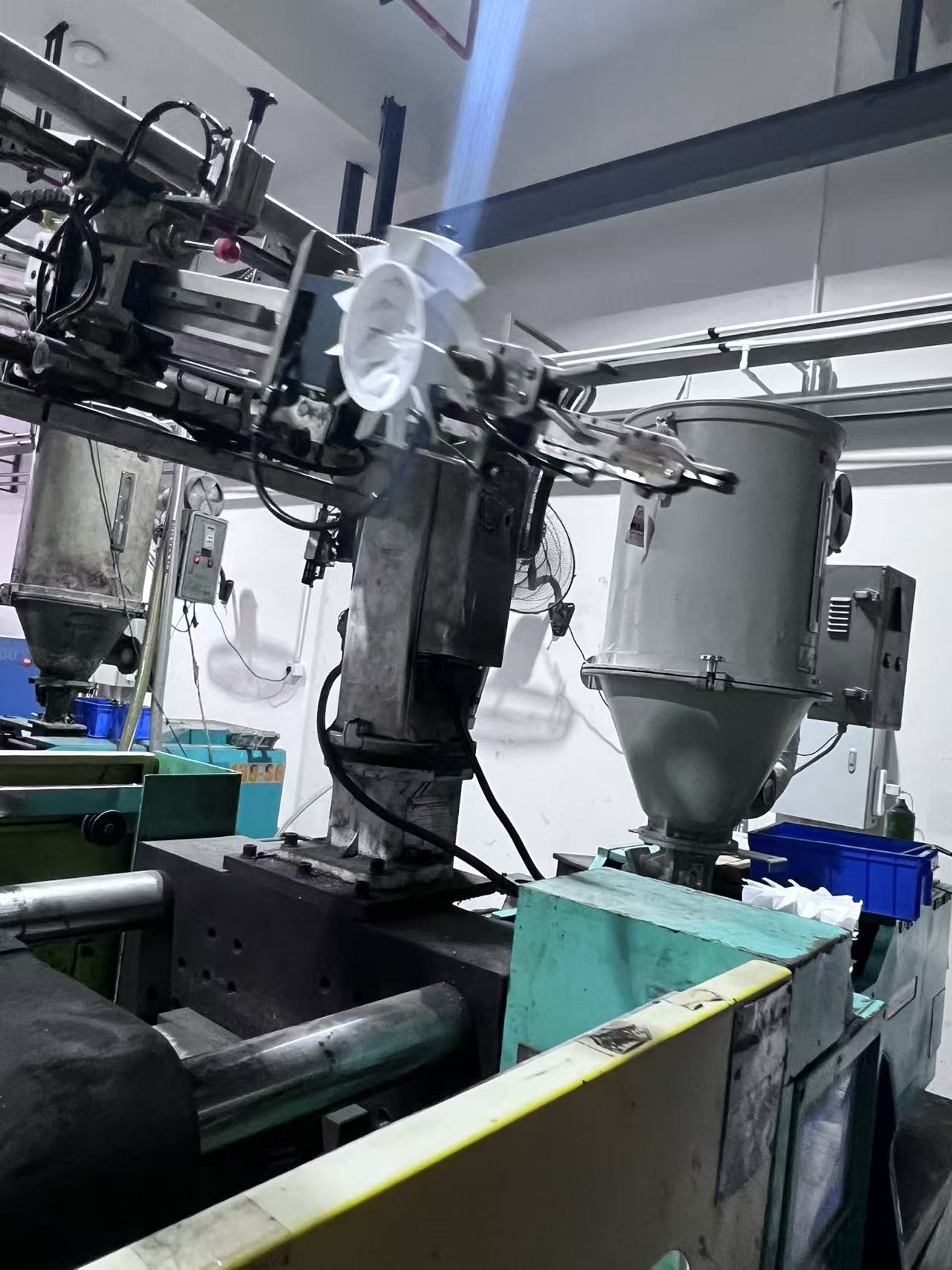
Assess the physical and operational scale. A factory spanning over 20,000 square meters, like that of Aosun, with 8 modern production lines (including injection molding, motor production, and automated assembly), indicates robust infrastructure. An annual output capacity exceeding 1 million units demonstrates an ability to handle large-scale OEM, ODM, and project orders reliably. Verify this through virtual or on-site factory tours.
Technical R&D and Product Portfolio
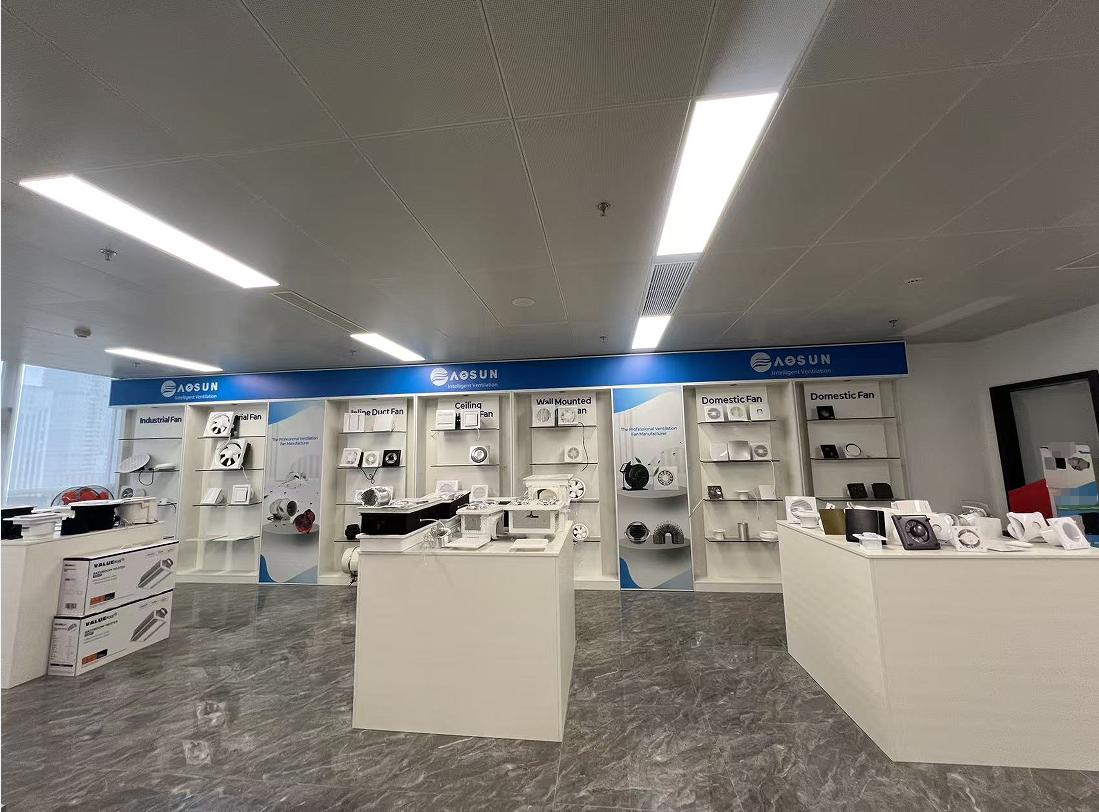
A strong in-house R&D team is a key differentiator. Evaluate the breadth of the product portfolio. A manufacturer with over 100 independently developed models covering ceiling exhaust fans, bathroom light exhaust fans, kitchen exhaust fans, attic exhaust fans, garage exhaust fans, window exhaust fans, toilet exhaust fans, ventilation exhaust fans, and wall mounted exhaust fans shows deep market understanding and customization potential. This versatility is crucial for buyers needing diverse solutions.
Quality Assurance & International Certifications
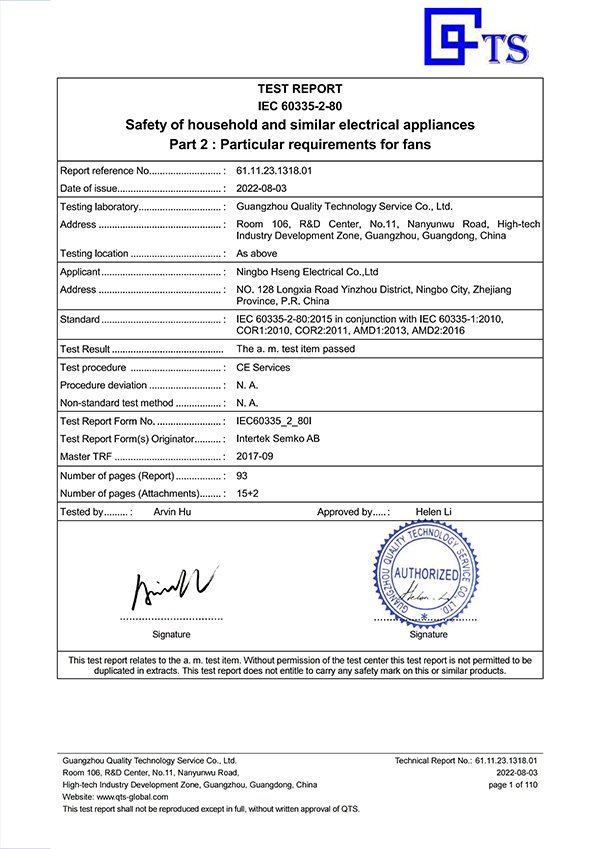
Compliance with international standards is non-negotiable for global market access. Insist on seeing valid certification documents. Key certifications to look for include:
- CE Marking (LVD & EMC): Mandatory for the European Economic Area, covering safety and electromagnetic compatibility.
- UKCA: Required for the British market post-Brexit.
- RoHS: Ensures the product is free from hazardous substances.
Reputable manufacturers, such as Aosun, readily provide these certificates (e.g., QTS800123697-Exhaust-Fan-CE-LVD, QTS800225512-Exhaust-Fan-CE-EMC, QTS800524557-Exhaust-Fan-RoHS), which should be verified for authenticity and scope.
Global Market Experience & Logistics
Experience in exporting to diverse regions is a strong indicator of reliability. A supplier with a track record of shipping to 50+ countries across Europe, North America, Asia, Oceania, and South America has navigated complex logistics, customs, and regional compliance issues. This experience translates into smoother transactions and better after-sales support for international buyers.
2. The Due Diligence Process: From Inquiry to Partnership
Once potential suppliers are shortlisted, a structured due diligence process is essential.
Step 1: Initial Technical and Commercial Inquiry
Submit a detailed Request for Quotation (RFQ). Beyond price, request specifications for your target products (e.g., airflow capacity in CFM/CMM, noise level in sones/dB, motor type, energy efficiency, material construction). For a kitchen exhaust fan, details on grease filtration and heat resistance are vital. For a bathroom light exhaust fan, inquire about IP rating for moisture resistance and light specifications. A competent manufacturer will respond with comprehensive technical data sheets.
Step 2: Sample Evaluation and Testing
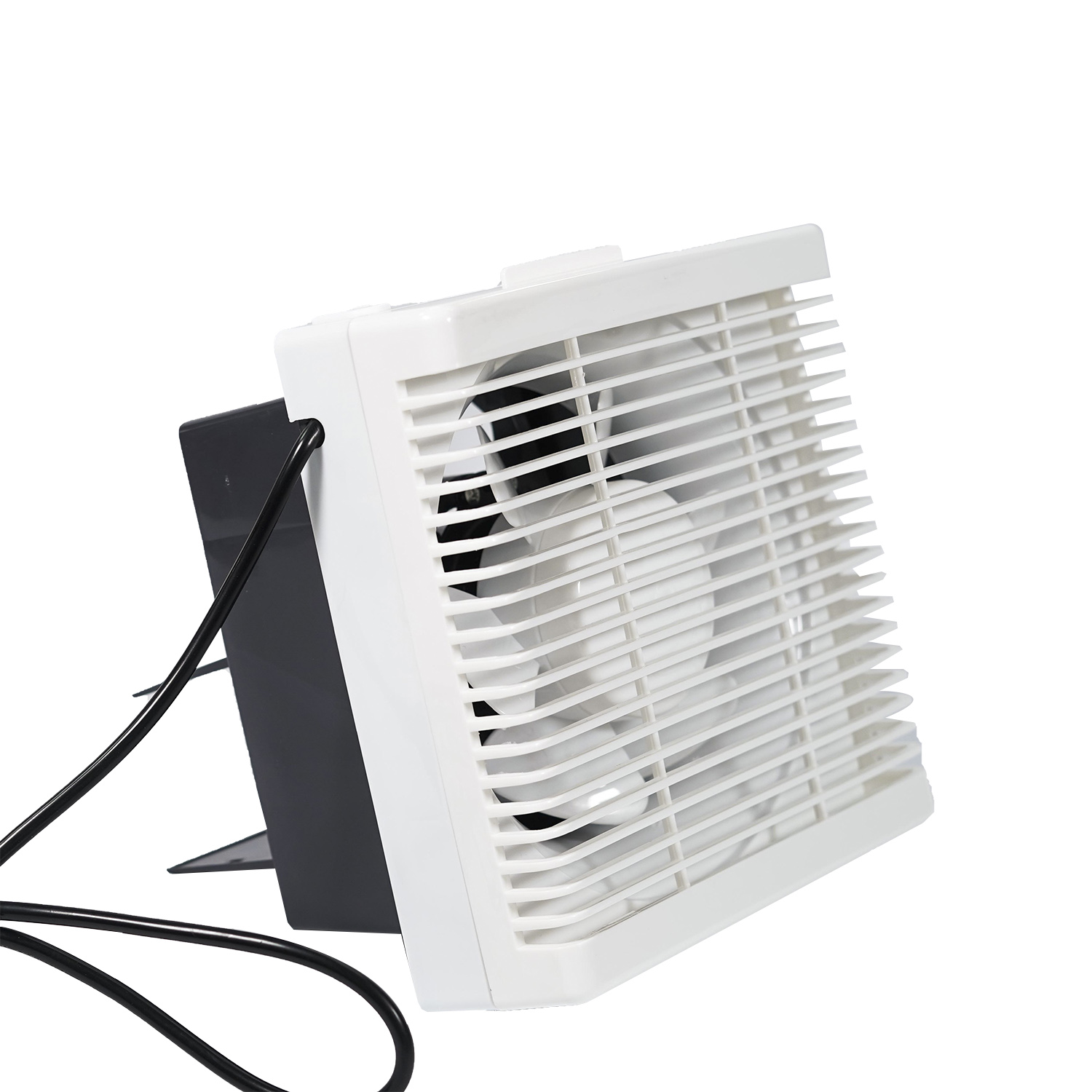
Always order pre-production samples. Test them for advertised performance metrics, build quality, noise levels, and safety. Check the packaging and included documentation (manual, warranty card, certification marks). This step is the most direct way to assess product quality before committing to a large order.
Step 3: Audit and Verification
If feasible, conduct a factory audit. Focus on:
- Production Lines: Observe the organization, automation level, and workflow.
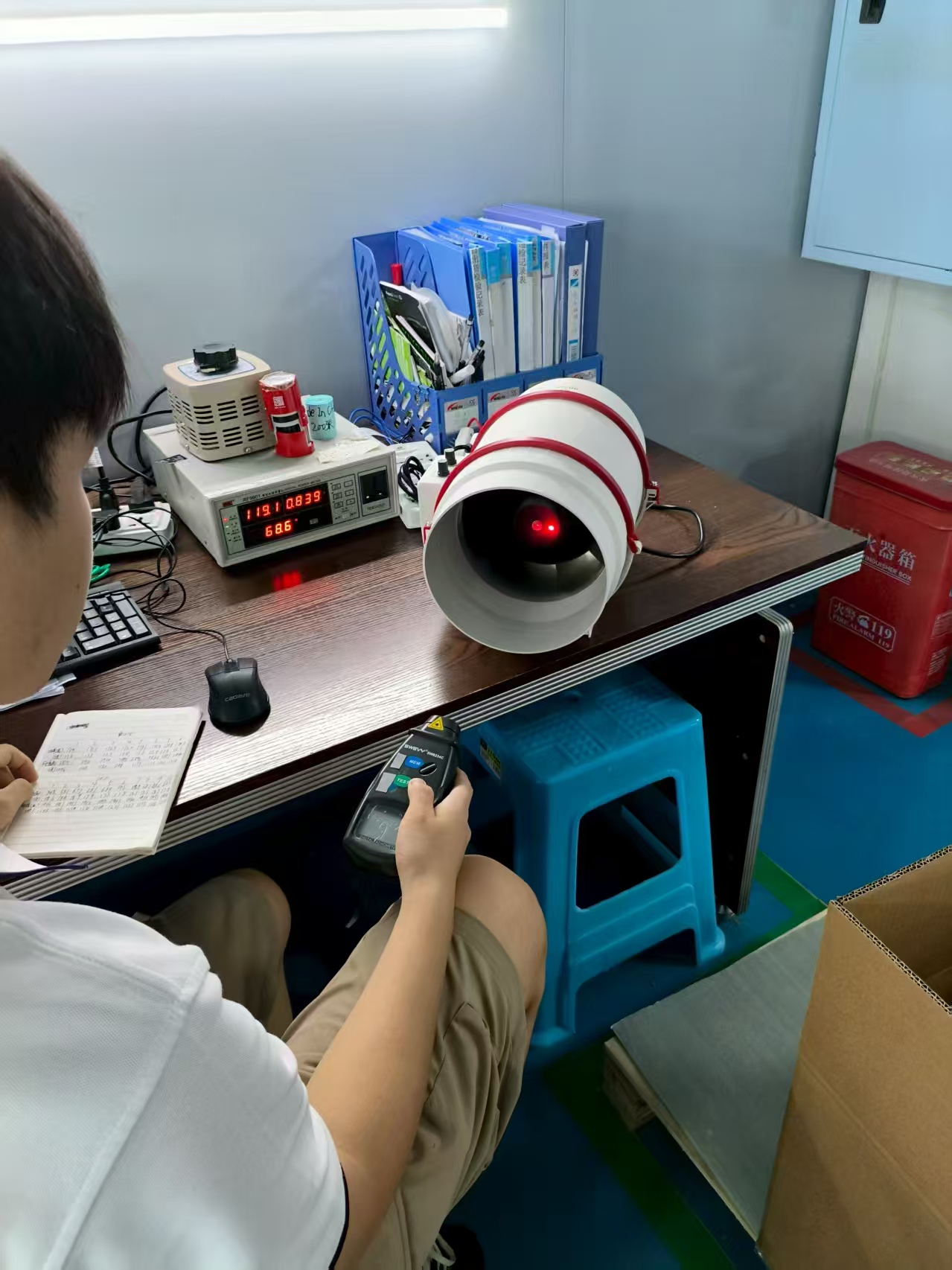
- Quality Control Labs: Look for dedicated testing equipment for air volume, motor performance, and electrical safety. The presence of a "Fan air volume detection room" is a positive sign.
- Raw Material Sourcing: Inquire about their supply chain for key components like motors and plastics.
Step 4: Assessing Communication and Service
Evaluate responsiveness, professionalism, and language capability. A supplier with a dedicated international sales team that communicates clearly in English (or your required language) via email, phone, and WhatsApp (e.g., +86 18606589361) is crucial for smooth collaboration. Discuss their policy on OEM/ODM support, minimum order quantities (MOQs), lead times, and after-sales service.
3. Industry Context: Why Rigorous Vetting Matters in 2026
The global push for building energy efficiency and improved indoor air quality (IAQ) continues to drive the ventilation market. Regulations are becoming stricter, and end-users are more informed. Partnering with a manufacturer that prioritizes R&D in energy-efficient motors, smart controls, and durable designs ensures your products remain competitive. Suppliers that actively invest in their facilities and hold relevant certifications are better positioned to adapt to these evolving standards.
4. Spotlight on Aosun: A Reference Point for Evaluation
As a point of reference, let's examine how Aosun, a professional ventilation equipment manufacturer, aligns with the criteria outlined above. This analysis serves as a practical example for evaluating other suppliers.
Company Profile: Aosun is a 10+ years professional manufacturer specializing in the design, R&D, and production of industrial, commercial, and residential ventilation fans. With a 20,000+ sqm factory and 190+ employees, it operates 8 modern production lines.
Key Strengths for Buyers:
- Proven Production Capacity: Annual output >1 million units, supporting flexible OEM/ODM and large project orders.
- Comprehensive Product Range: Over 100 models covering all major exhaust fan categories, from attic exhaust fans to wall mounted exhaust fans.
- Certification Compliance: Holds multiple CE (LVD/EMC), UKCA, and RoHS certificates, facilitating market entry in Europe and the UK.
- Global Reach: Products exported to 50+ countries, demonstrating international logistics and market adaptability.
- Quality Infrastructure: Maintains dedicated testing facilities for motor and air volume performance, ensuring product reliability.
Contact for Inquiry: Procurement teams can initiate contact to assess capabilities against their specific needs.
Phone/WhatsApp: +86 18606589361
Email: alan.h@elmakelectrical.com
Website: https://www.aosvents.com/
Factory Address: No. 128 Longxia Road, Yunlong Industrial Zone, Ningbo City, Zhejiang Province, China.
Conclusion
Selecting the right exhaust fan manufacturer is a strategic investment. By methodically evaluating manufacturing scale, R&D capability, certification portfolio, and global experience, procurement professionals can significantly mitigate risk and build a sustainable supply chain. The process requires diligence but pays dividends in product quality, regulatory compliance, and long-term partnership stability. Use this framework to guide your sourcing decisions and engage with manufacturers who can provide transparent evidence of their capabilities.