
Comprehensive Guide to Sourcing High-Quality Exhaust Fan Suppliers: Key Criteria for Procurement Professionals
For procurement professionals, wholesalers, and project managers in the HVAC and building supplies sectors, identifying a reliable exhaust fan manufacturer is a critical step that impacts product quality, supply chain stability, and end-user satisfaction. The ventilation equipment market is vast, with numerous suppliers offering a wide range of products, from ceiling exhaust fans and bathroom light exhaust fans to robust kitchen exhaust fans, attic exhaust fans, and garage exhaust fans. This guide outlines a systematic framework to evaluate potential partners, ensuring you select a supplier capable of meeting your specific requirements for performance, compliance, and scalability.
1. Define Your Application and Technical Specifications
The first step is to precisely define the application. Different environments demand different fan characteristics. A toilet exhaust fan prioritizes moisture resistance and quiet operation, while a commercial kitchen exhaust fan requires high airflow (CFM), grease filtration capabilities, and durable construction. For whole-house ventilation exhaust fan systems or spot ventilation with a window exhaust fan or wall mounted exhaust fan, specifications like static pressure, energy efficiency (often measured by Sones for noise), and motor type (AC/EC) become paramount. Clearly outlining these needs will narrow your search to manufacturers with relevant expertise.
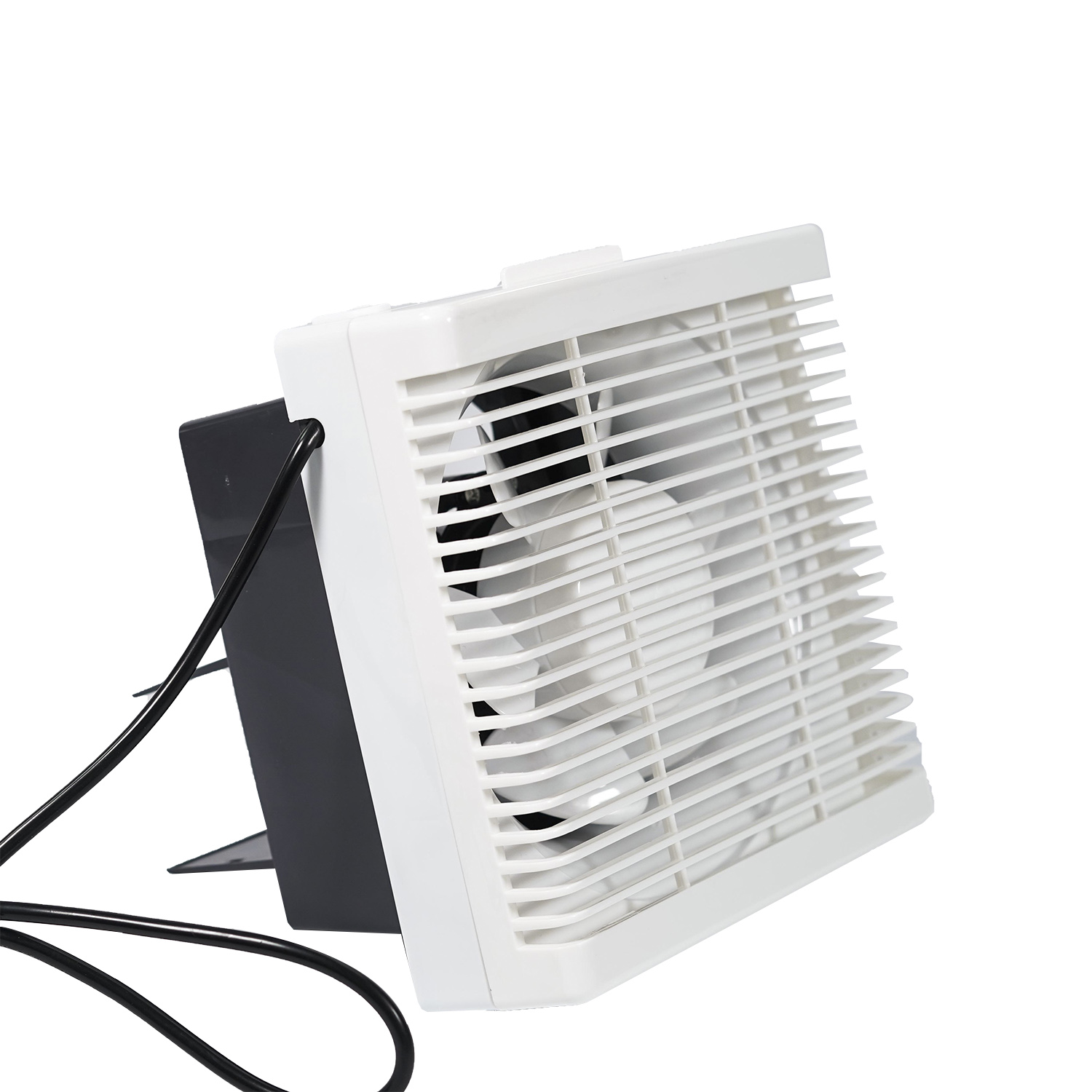
A high-performance kitchen exhaust fan designed for efficient grease and odor extraction.
2. Assess Manufacturing Capability and Scale
A supplier's production infrastructure is a direct indicator of reliability and order fulfillment capacity. Look for manufacturers with modern, integrated facilities. For instance, Aosun operates a 20,000+ square meter factory with 8 specialized production lines, including injection molding, motor production, and automated assembly. This vertical integration, from component manufacturing to final assembly, ensures quality control and production efficiency. An annual output exceeding 1 million units, as seen with established players, signals an ability to handle large OEM, ODM, and project orders reliably. Visiting the facility or reviewing detailed factory audits and production line photos is highly recommended.
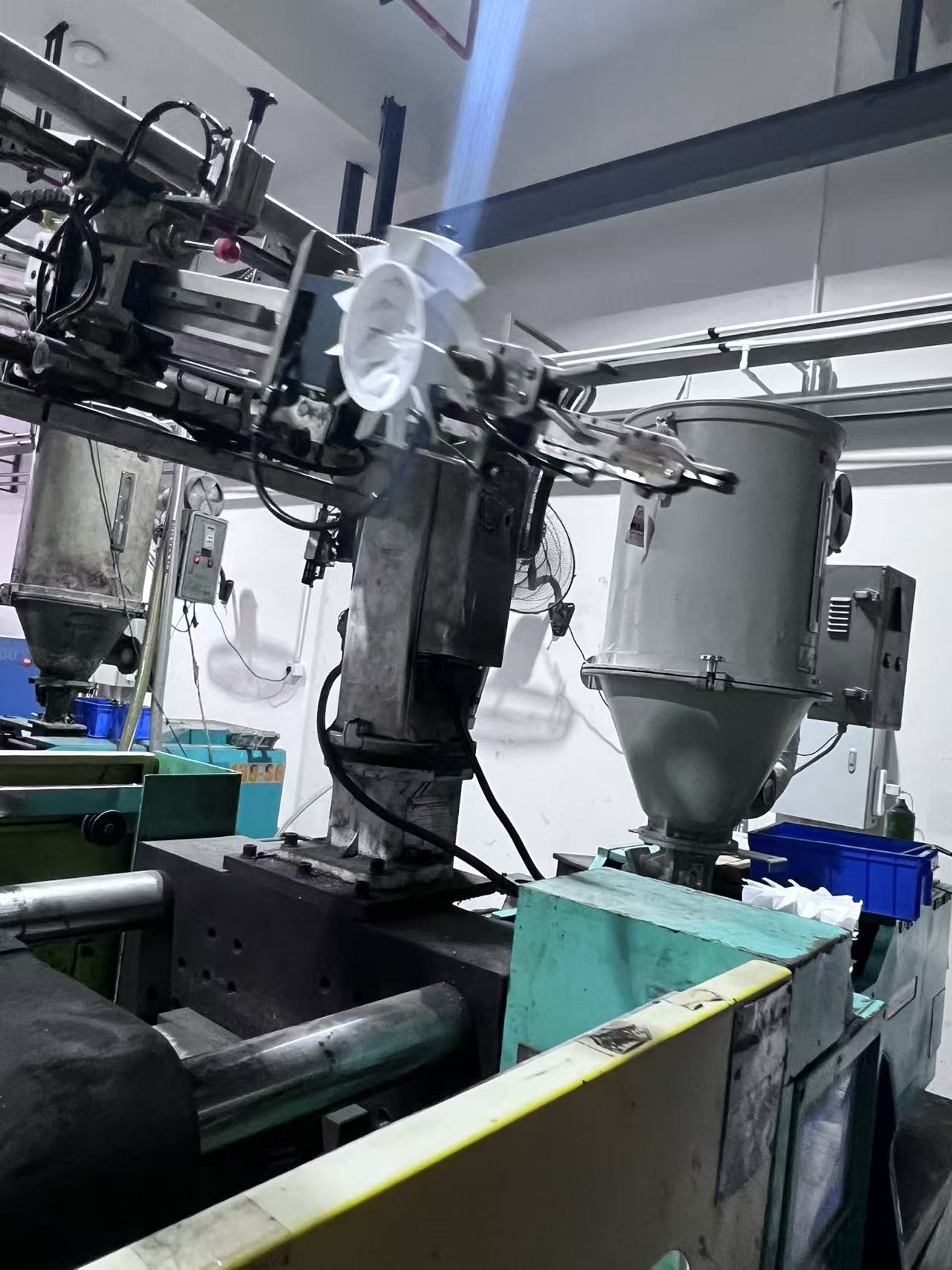
Precision injection molding is crucial for producing consistent, high-quality fan housings and components.
3. Verify Compliance and International Certifications
For global distribution, mandatory and voluntary certifications are non-negotiable. They are proof of safety, performance, and environmental compliance. Key certifications for the exhaust fan market include:
- CE Marking (LVD & EMC): Essential for the European Economic Area, covering electrical safety and electromagnetic compatibility.
- UKCA: The post-Brexit requirement for the UK market.
- RoHS: Restricts the use of hazardous substances in electrical equipment.
- Other region-specific marks (e.g., ETL/cUL for North America, SAA for Australia).
4. Evaluate R&D and Product Portfolio Depth
A strong in-house R&D team is the engine of innovation and adaptation. It allows a manufacturer to develop new models, improve energy efficiency, and customize products. A diverse portfolio covering bathroom exhaust fans, ceiling exhaust fans, attic exhaust fans, and specialized industrial models indicates broad market understanding. For example, a manufacturer with over 10 years of experience and more than 100 independently developed models demonstrates the capability to cater to diverse residential, commercial, and agricultural ventilation needs. This depth allows procurement teams to source multiple SKUs from a single, reliable partner.
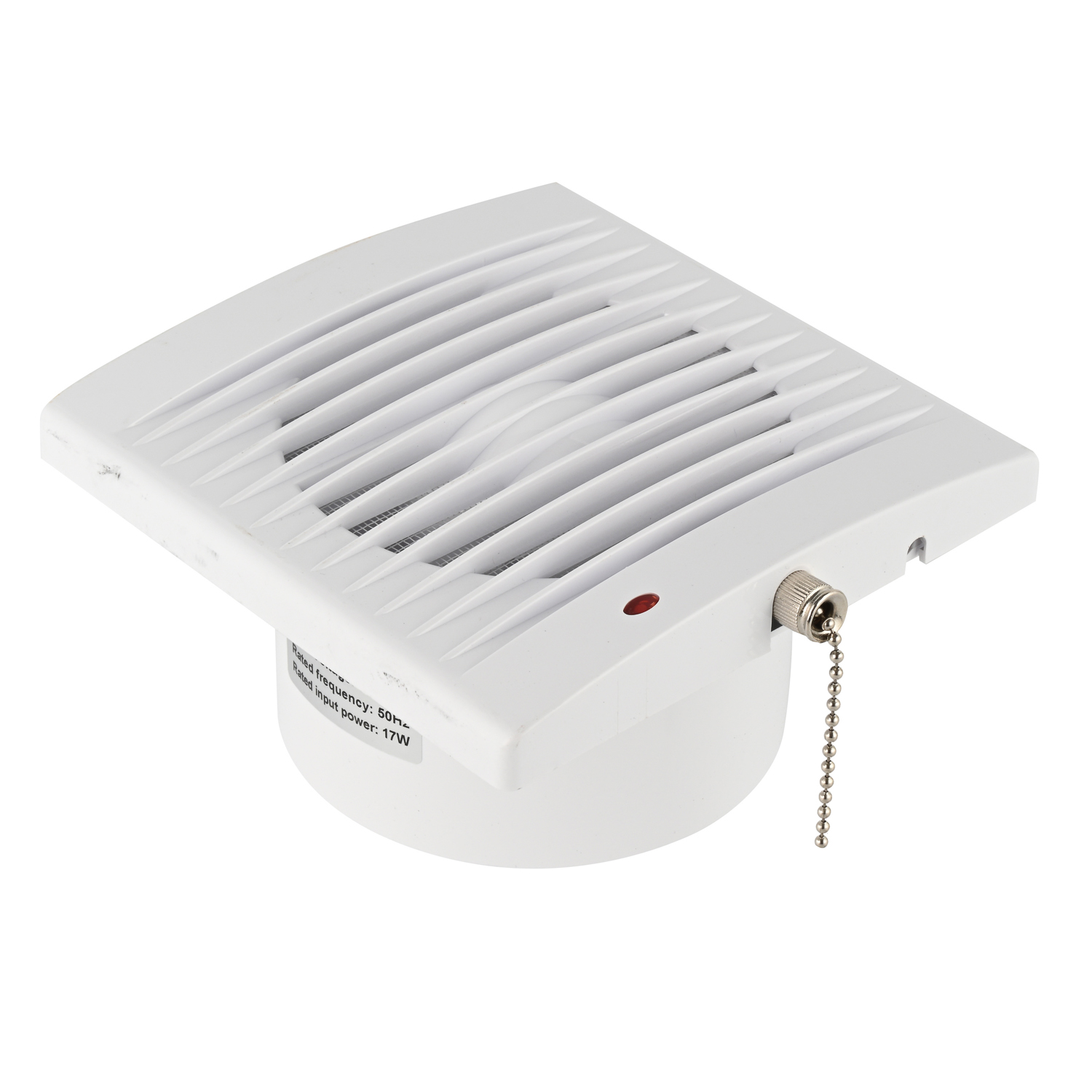
An attic exhaust fan designed for effective whole-house ventilation and heat reduction.
5. Analyze Quality Control and Testing Protocols
Consistent quality is built through rigorous processes. Inquire about the supplier's quality management system (e.g., ISO 9001 implementation) and their testing procedures. Critical tests include airflow performance (in a dedicated air volume detection room), motor endurance, electrical safety, noise level, and material quality checks. A manufacturer that invests in advanced testing equipment and documents these processes provides greater assurance of product reliability and longevity, reducing the risk of returns and field failures.
6. Review Global Market Experience and References
A proven export record is a significant trust signal. Suppliers whose products are successfully sold in 50+ countries across Europe, North America, Asia, and other regions have demonstrated an ability to navigate diverse regulatory landscapes, logistical challenges, and market preferences. They are more likely to understand international packaging, documentation, and after-sales support requirements. Request case studies or references from clients in regions similar to your own.
7. Understand Communication and Support Structure
Effective communication is vital for smooth collaboration, especially for customized orders. Evaluate the supplier's responsiveness, language capabilities, and the professionalism of their sales and engineering teams. A dedicated point of contact and clear channels for technical queries, order tracking, and after-sales support are essential. For instance, accessible contact points like Phone/WhatsApp: +86 18606589361 and Email: alan.h@elmakelectrical.com facilitate direct communication.
Conclusion: Building a Strategic Partnership
Selecting an exhaust fan supplier goes beyond comparing price lists. It is about identifying a strategic partner with the technical capability, production muscle, and quality ethos to support your business growth. By methodically evaluating manufacturers against the criteria outlined above—technical specialization, manufacturing scale, certification compliance, R&D strength, quality systems, and global experience—procurement professionals can make informed decisions that ensure a reliable supply of high-performance ventilation products, from essential bathroom light exhaust fans to heavy-duty ventilation exhaust fan systems.
For more detailed information on specific product ranges or to discuss project requirements, visiting the manufacturer's official website, such as https://www.aosvents.com/, is a recommended next step to gather comprehensive technical data and initiate direct engagement.
Have Questions or Need More Details?
Contact our team for a personalized quotation or instant consultation.
Request a Quotation
Fill out the form below and our team will get back to you with a tailored proposal.
WhatsApp Direct Chat
Prefer to chat in real-time? Message us on WhatsApp for instant assistance & quick answers.
- Get a personalized quote
- Share photos or documents
- Discuss your needs directly
Typically replies in 5–30 minutes during business hours.