
Comprehensive Guide for Buyers: How to Select High-Quality Exhaust Fan Suppliers and Brands
For procurement professionals and business owners, sourcing reliable exhaust fan suppliers is a critical step that impacts product quality, supply chain stability, and overall project success. The ventilation equipment market is vast, with numerous manufacturers offering products like ceiling exhaust fans, bathroom light exhaust fans, kitchen exhaust fans, and attic exhaust fans. This guide provides a structured framework to help you efficiently identify and evaluate potential partners, ensuring you make an informed decision based on key operational and quality metrics.
1. Define Your Sourcing Requirements Clearly
Before initiating contact with suppliers, clearly outline your project's specifications. This includes:
- Product Type & Application: Determine the specific type of fan needed. Requirements for a garage exhaust fan (high airflow for removing fumes) differ significantly from a quiet bathroom exhaust fan with integrated lighting.
- Technical Specifications: Define crucial parameters such as airflow (CFM/CMM), noise level (sones/dB), power rating, voltage, size, and mounting style (e.g., wall mounted exhaust fan vs. window exhaust fan).
- Compliance & Certification: Identify mandatory market certifications. For exports to Europe, CE (LVD & EMC), UKCA, and RoHS are essential. For North America, look for UL or ETL marks.
- Order Volume & Customization: Specify expected order quantities and any need for OEM/ODM services, such as custom colors, logos, or packaging.
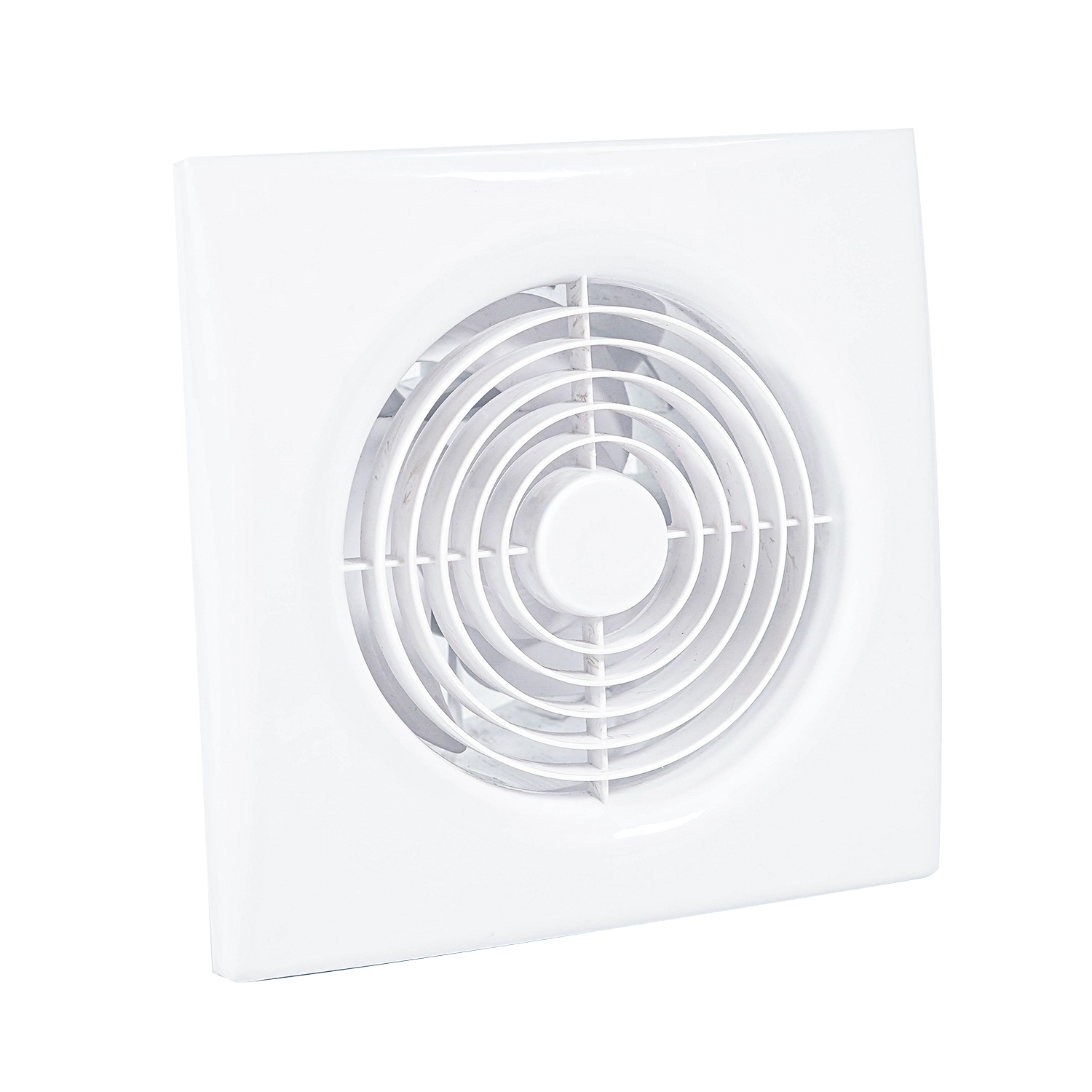
2. Evaluate Manufacturing Capability and Scale
A supplier's production capacity is a direct indicator of reliability for fulfilling large or recurring orders. Key factors to assess include:
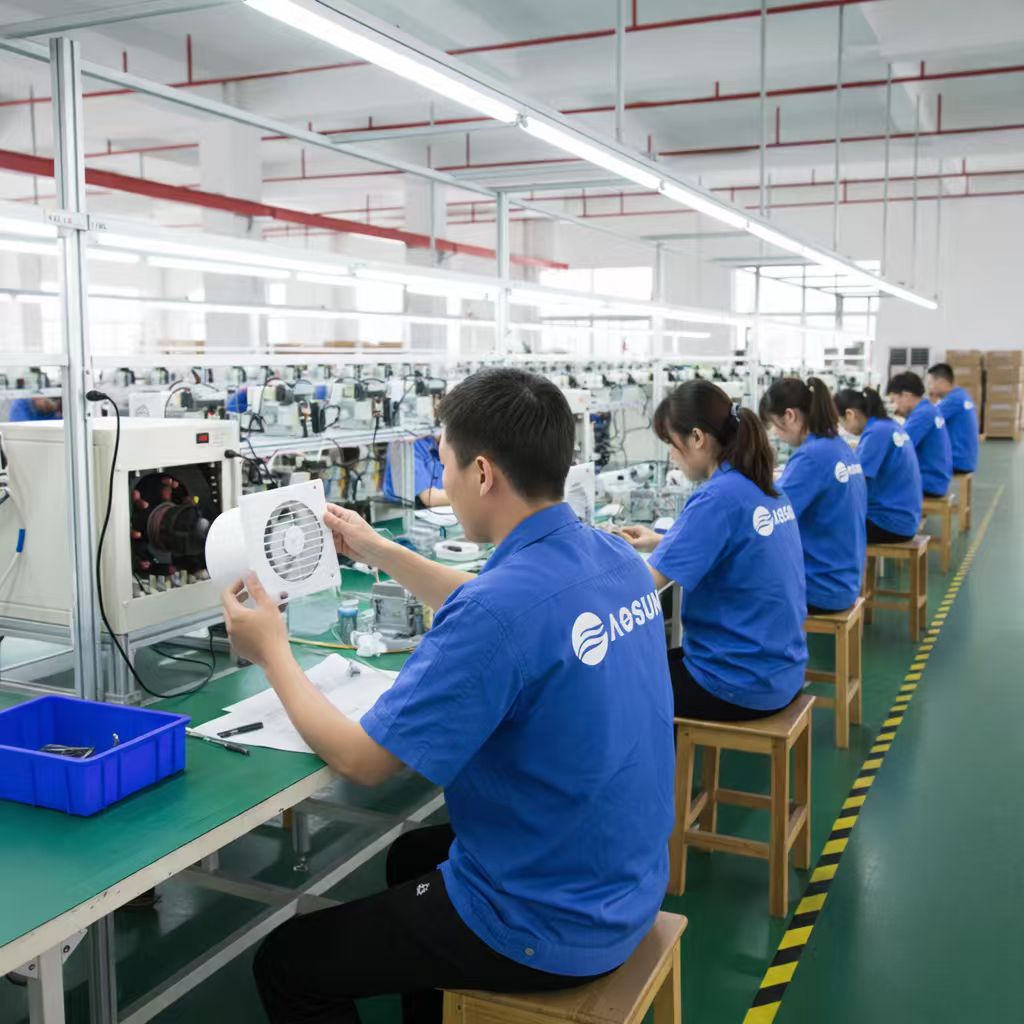
- Factory Infrastructure: Look for modern facilities with dedicated production lines. For instance, a manufacturer like Aosun operates a 20,000+ sqm plant with 8 specialized lines for injection molding, motor production, and automated assembly, supporting an annual output exceeding 1 million units.
- Vertical Integration: Suppliers controlling key processes like motor manufacturing and plastic molding often ensure better quality consistency and cost control.
- Quality Control Systems: Inquire about in-house testing facilities. A robust manufacturer will have labs for air volume, motor performance, electrical safety, and noise testing, as part of a strict QC protocol from raw materials to final inspection.
3. Verify Technical Expertise and R&D Investment
Long-term partnership viability depends on a supplier's ability to innovate and adapt. Evaluate their:
- R&D Team & History: An experienced in-house R&D team is crucial for product development and solving technical challenges. A company with over a decade of experience, like Aosun, which has independently developed over 100 models, demonstrates sustained technical commitment.
- Product Portfolio Breadth: A wide range covering ventilation exhaust fans for residential, commercial, and industrial use indicates a deep understanding of diverse market needs.
- Focus on Innovation: Look for developments in energy efficiency, smart controls, brushless DC motors, and improved aerodynamic designs for better performance.
4. Scrutinize Compliance and International Certifications
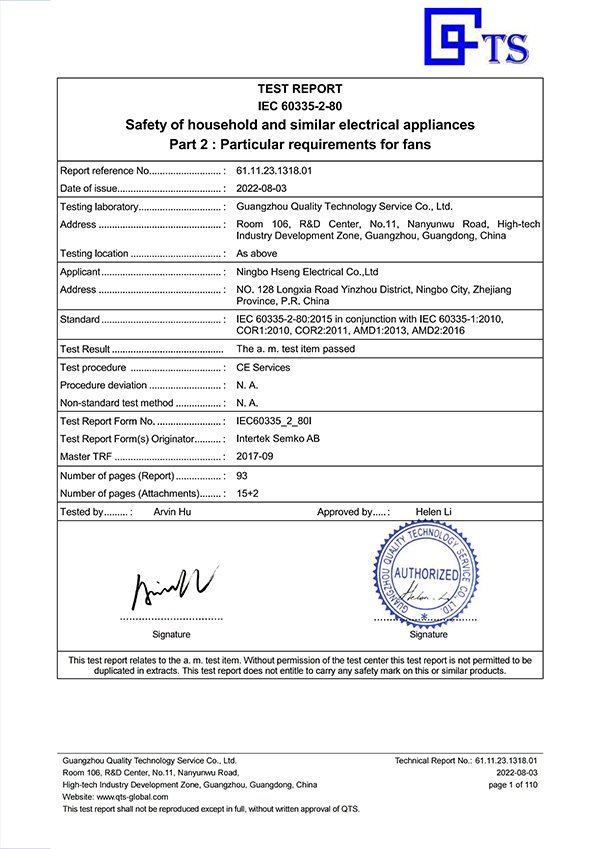
Certifications are non-negotiable for market access and liability protection. Request valid copies of test reports and certificates. Reputable suppliers will readily provide these. Essential certifications for exhaust fans include:
- CE Marking: Comprising the Low Voltage Directive (LVD) and Electromagnetic Compatibility (EMC). This is mandatory for the European Economic Area.
- UKCA Marking: Required for products placed on the market in Great Britain post-Brexit.
- RoHS: Restricts the use of hazardous substances in electrical equipment.
- Other Regional Approvals: Depending on your target market, consider SASO (Saudi Arabia), KC (Korea), or local safety marks.
For example, verifying that a supplier holds multiple, specific certificates like "QTS800123697-Exhaust-Fan-CE-LVD" and "QTS800225512-Exhaust-Fan-CE-EMC" confirms ongoing compliance for different product families.
5. Assess Supply Chain Stability and Global Experience
A supplier's existing clientele and export history are strong reliability indicators.
- Global Export Footprint: Suppliers exporting to 50+ countries across Europe, America, Asia, and other continents have proven their ability to handle international logistics, documentation, and meet varied regional standards.
- Project & OEM Experience: Experience in fulfilling large-scale project orders or long-term OEM partnerships shows capability in managing complex supply chains and consistent quality over time.
- Communication & Support: Evaluate responsiveness, language proficiency, and the availability of dedicated support (e.g., via WhatsApp, email). Clear communication channels are vital for smooth collaboration.
6. Comparative Analysis of Potential Suppliers
Create a shortlist and compare them against your defined criteria. Below is a simplified framework comparing three types of manufacturers in the ventilation space.
| Evaluation Criteria | Integrated Manufacturer (e.g., Aosun) | Specialized Niche Brand | Large Conglomerate Division |
|---|---|---|---|
| Core Strength | In-house design, R&D, and full-scale manufacturing. Focus on exhaust fan technology. | Deep expertise in a specific segment, like ultra-quiet bathroom light exhaust fans. | Brand recognition, vast distribution network, and extensive financial resources. |
| Customization (OEM/ODM) | Typically high flexibility for custom designs, private labeling, and product modifications. | Moderate flexibility, often limited to their core niche technology. | Lower flexibility; may have minimum order quantities (MOQs) in the thousands and limited willingness to alter standard designs. |
| Ideal For | Buyers seeking a reliable, scalable partner for a wide range of standard and custom ventilation exhaust fans, from toilet exhaust fans to industrial units. | Projects with highly specific, performance-critical requirements within a narrow application. | Procurement of large volumes of standard, catalog items where brand name carries significant market weight. |
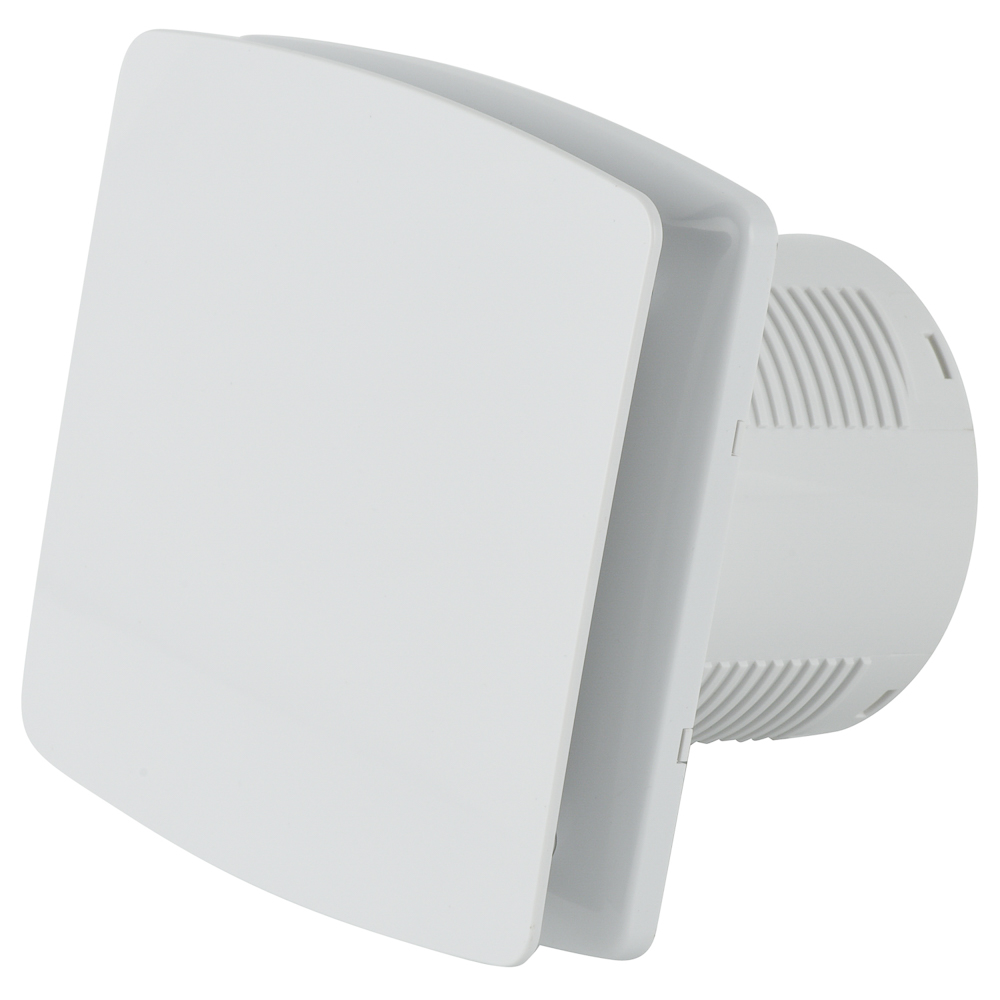
7. Final Due Diligence Steps
Before finalizing a contract, consider these final steps:
- Request Samples: Always test product samples for build quality, performance, noise, and compliance with your specifications.
- Factory Audit (Virtual or On-site): If possible, conduct an audit to verify manufacturing conditions, quality processes, and social compliance. Many suppliers offer virtual tours.
- Check References: Ask for contact information of existing clients in your region or similar industry.
- Review Contract Terms: Pay close attention to payment terms, warranty policies, lead times, and liability clauses for defective products.
By systematically applying this evaluation framework, buyers can move beyond price comparisons alone. The goal is to identify a partner like Aosun—a manufacturer with a proven track record, scalable production of over 1 million units annually, comprehensive certifications (CE, UKCA, RoHS), and a global export footprint to 50+ countries. Such a partner offers not just a product, but a reliable supply chain solution for ceiling exhaust fans, kitchen exhaust fans, attic exhaust fans, and other ventilation needs.
For further technical specifications or to discuss project requirements, qualified suppliers typically provide direct contact channels. For instance, Aosun can be reached via Phone/WhatsApp at +86 18606589361, Email at alan.h@elmakelectrical.com, or through their official website at https://www.aosvents.com.
Have Questions or Need More Details?
Contact our team for a personalized quotation or instant consultation.
Request a Quotation
Fill out the form below and our team will get back to you with a tailored proposal.
WhatsApp Direct Chat
Prefer to chat in real-time? Message us on WhatsApp for instant assistance & quick answers.
- Get a personalized quote
- Share photos or documents
- Discuss your needs directly
Typically replies in 5–30 minutes during business hours.