
How to Choose the Right Exhaust Fan for Every Room in Your Home: A Complete 2026 Buyer's Guide
Navigating the World of Home Ventilation: Why the Right Exhaust Fan Matters
As we move further into 2026, the focus on indoor air quality (IAQ) and energy-efficient home management has never been sharper. Recent studies and building code updates across Europe and North America continue to emphasize the critical role of mechanical ventilation in preventing mold, removing pollutants, and managing humidity. An exhaust fan is no longer just an accessory; it's a vital component for a healthy, comfortable, and energy-smart home. However, with so many types available—from a sleek ceiling exhaust fan to a powerful kitchen exhaust fan—selecting the perfect one can be daunting. This comprehensive guide will walk you through the key considerations for choosing the best exhaust fan for every application in your house.
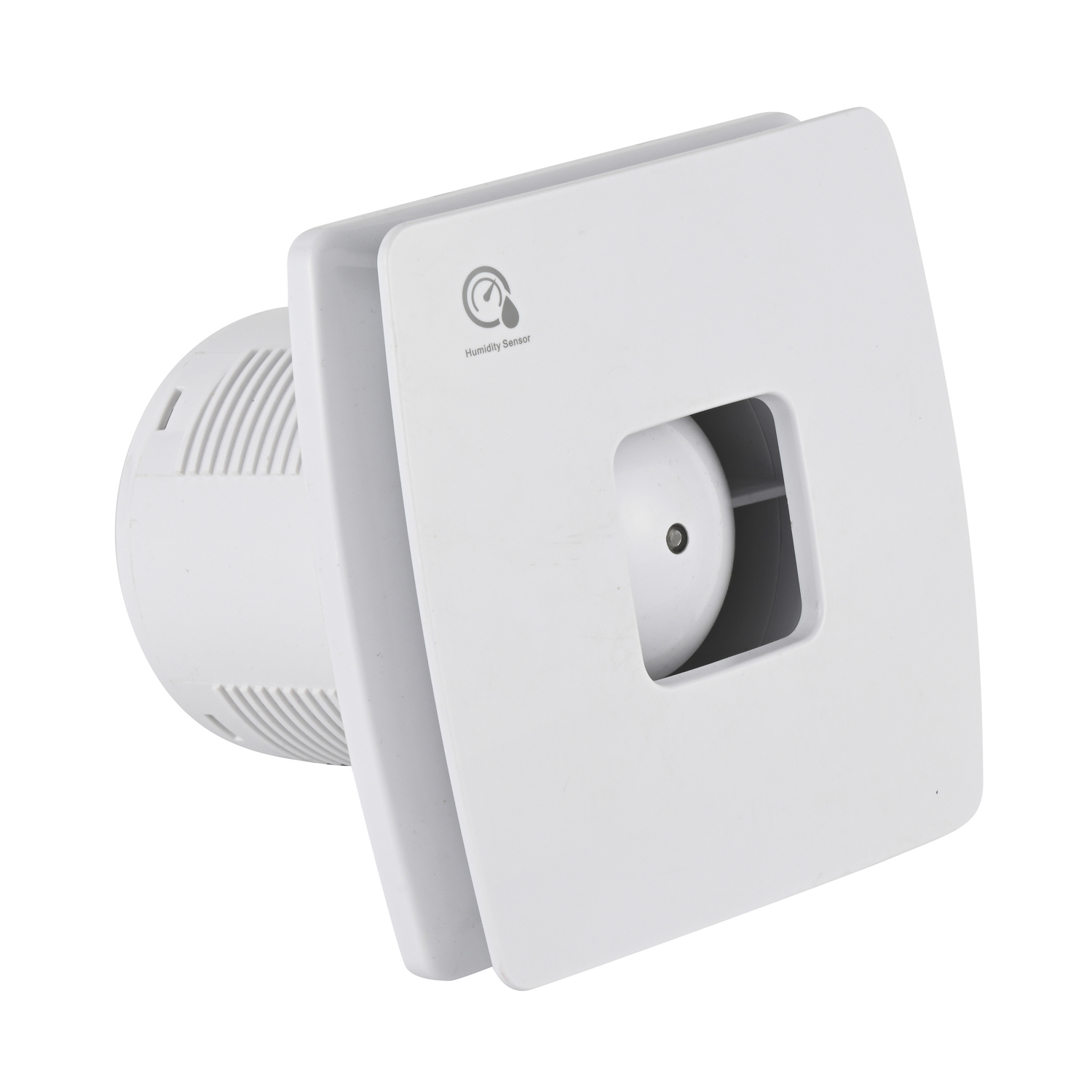
Understanding CFM: The Heart of Fan Performance
The most crucial specification for any ventilation exhaust fan is its Cubic Feet per Minute (CFM) rating. This measures how much air the fan can move. An undersized fan won't effectively clear moisture or odors, while an oversized one can be unnecessarily noisy and wasteful.
Quick CFM Calculation Guide:
- Bathrooms: Calculate the room's volume (Length x Width x Height) and multiply by 8 (for 8 air changes per hour). For a standard 8x10x8 ft bathroom: (8x10x8) x 8 = 5120 cubic feet per hour. Divide by 60 to get CFM: ~85 CFM. For a bathroom light exhaust fan or a standard toilet exhaust fan, a range of 50-110 CFM is typical.
- Kitchens: For a kitchen exhaust fan (range hood), the Home Ventilating Institute (HVI) recommends at least 100 CFM for every linear foot of stove width. A 30-inch stove needs at least 250 CFM.
- Utility Rooms & Garages: A garage exhaust fan or laundry room fan should handle moisture and fumes. Aim for 50-100 CFM depending on size and use.
Room-by-Room Selection: Matching the Fan to the Function
1. For Bathrooms and Toilets: Moisture and Odor Control
Here, you'll typically choose between a ceiling exhaust fan or a wall mounted exhaust fan. A model with a built-in light, known as a bathroom light exhaust fan, is a popular space-saving solution. Look for fans with a humidistat that automatically turns on when humidity reaches a set level. For smaller bathrooms or half-baths, a dedicated toilet exhaust fan is sufficient. Ensure the fan is rated for continuous use if you plan to run it for extended periods.
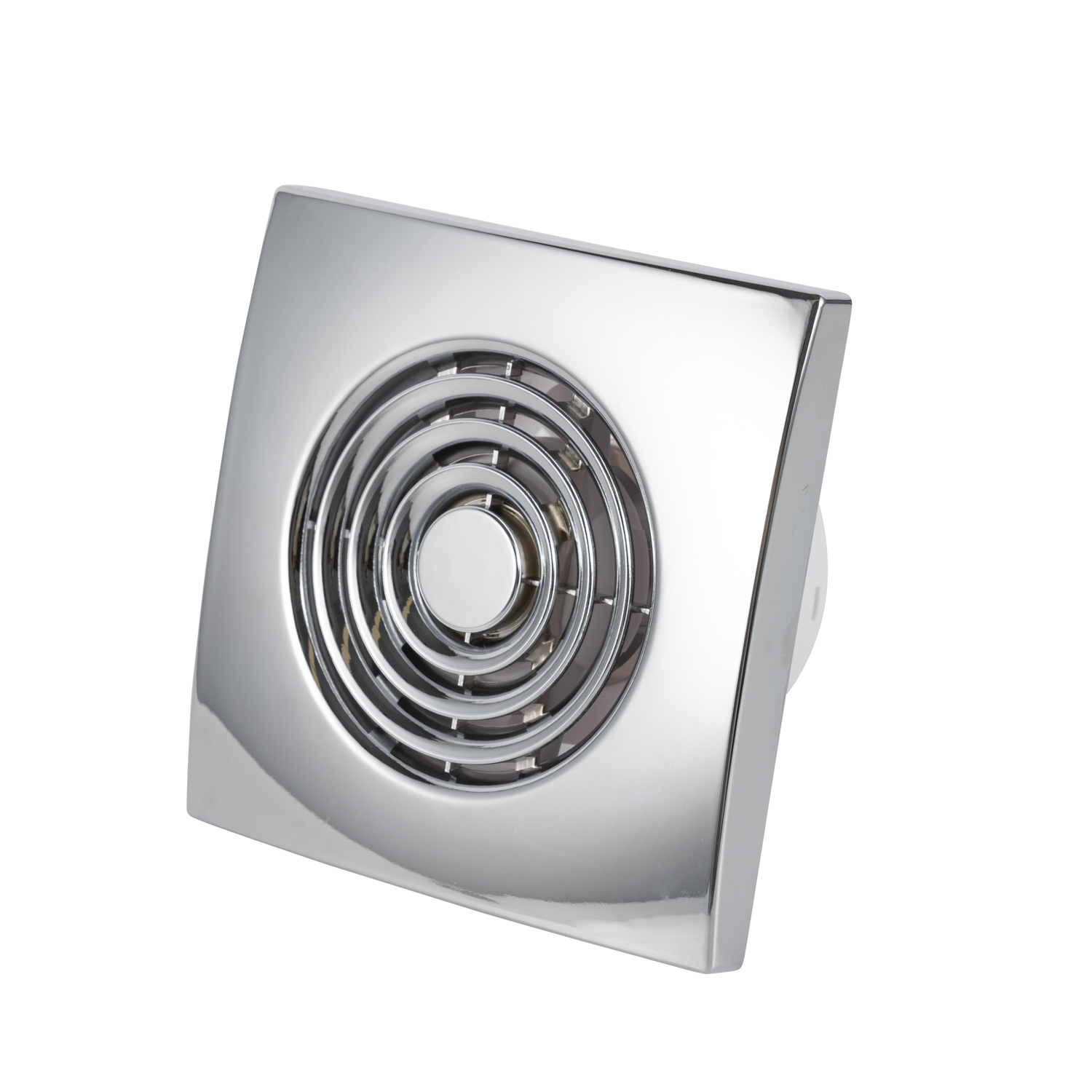
An Aosun bathroom exhaust fan with integrated LED lighting combines efficient ventilation with ambient light.
2. For Kitchens: Tackling Grease, Heat, and Cooking Odors
A kitchen exhaust fan is usually part of a range hood. Key features to look for include variable speed controls, easy-clean grease filters, and ducting that vents to the outside (never into an attic). For kitchens without overhead cabinetry, a downdraft or island-mounted ceiling model can be effective. Noise level (measured in sones) is especially important here, as you don't want the fan to drown out conversation.
3. For Attics and Garages: Temperature and Fume Management
An attic exhaust fan helps expel hot air in summer, reducing cooling costs and protecting roof materials. Solar-powered attic fans are a growing trend. A garage exhaust fan is essential for removing fumes from vehicles, paint, or workshops. These fans are often more rugged and may feature shutters to prevent backdrafts when not in use.
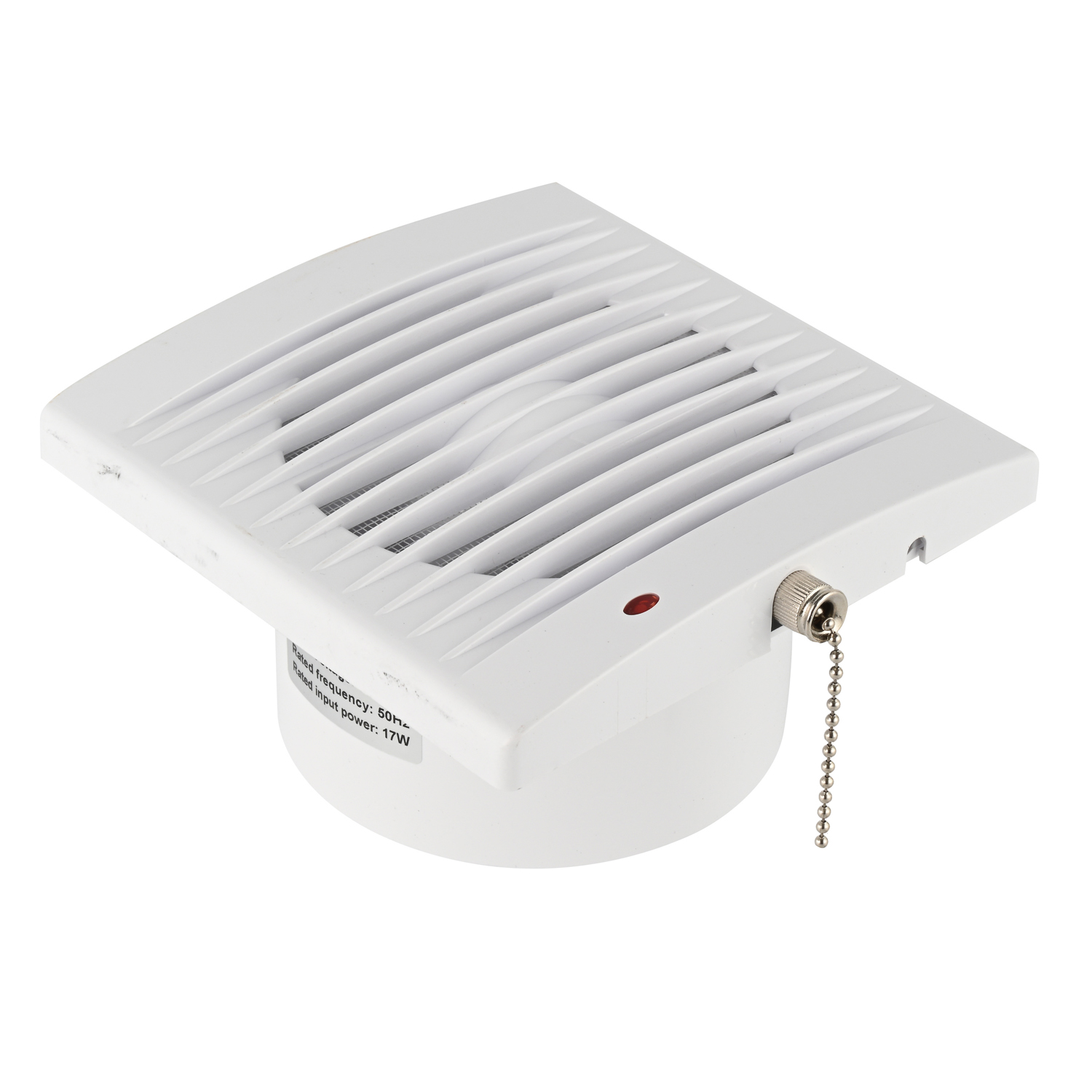
4. For General Ventilation and Supplemental Cooling
A window exhaust fan is a versatile, easy-to-install option for quickly clearing a room of stale air or pulling in cooler night air. Ventilation exhaust fans can also be installed in interior walls to transfer air between rooms or to support a whole-house ventilation system.
Key Features and Technology Trends for 2026
- Smart Connectivity: Fans with Wi-Fi/Bluetooth allow control via smartphone apps, integration with home assistants (Alexa, Google Home), and automation based on humidity or schedule.
- DC Motors: Brushless DC motors are becoming the standard for high-efficiency exhaust fans. They use significantly less energy (as much as 70% less than traditional AC motors), run quieter, and offer more precise speed control.
- Advanced Noise Reduction: Look for fans with insulated housings, aerodynamic impeller designs, and rubber-mounted motors. A rating of 1.0 sone or lower is considered very quiet.
- Integrated Lighting & Heaters: Multi-function units, like a bathroom light exhaust fan with a night light or a radiant heater, provide added value and convenience.
Why Certification and Manufacturing Quality Are Non-Negotiable
When sourcing an exhaust fan, especially for international projects or OEM supply, partner with a manufacturer that prioritizes quality and compliance. Aosun, a professional ventilation equipment manufacturer with over 10 years of experience, exemplifies this standard. Operating from a 20,000+ sqm facility with 8 modern production lines, Aosun combines scale with precision.
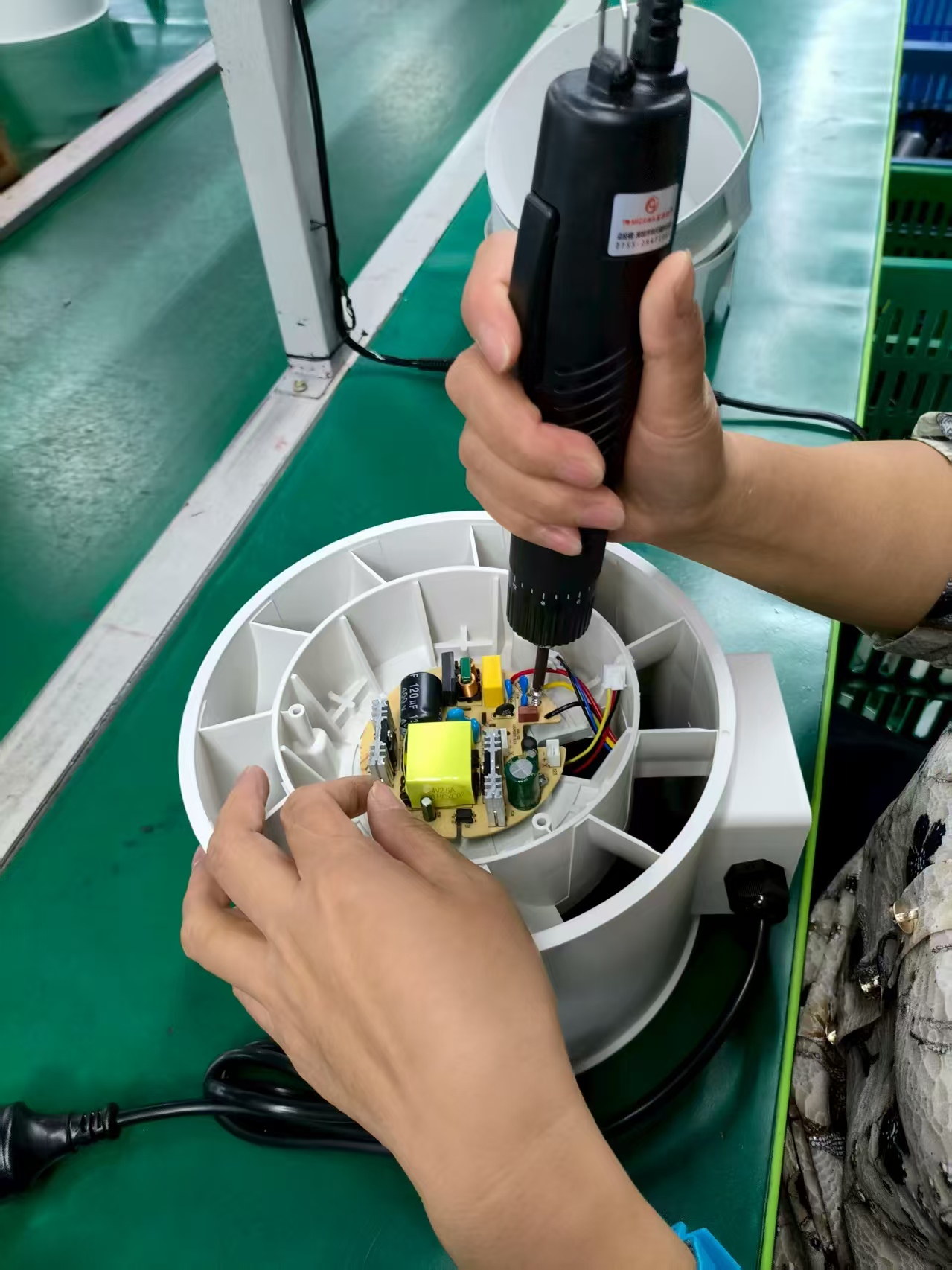
Rigorous motor testing on the production line at Aosun's factory ensures every ventilation exhaust fan meets performance benchmarks.
Their in-house R&D team has developed over 100 models of exhaust fans, covering ceiling exhaust fan, wall mounted exhaust fan, attic exhaust fan, and kitchen exhaust fan applications. More importantly, their products carry essential international certifications, providing peace of mind for global distributors and contractors. These certifications are not just paperwork; they represent verified safety and performance.
Aosun's Commitment to Compliance:
- CE Marking (LVD & EMC): Certificates like QTS800123697-Exhaust-Fan-CE-LVD demonstrate compliance with EU safety, health, and environmental protection directives for low voltage and electromagnetic compatibility.
- UKCA Marking: Certificates such as QTS800225513-Exhaust-Fan-UKCA-EMC ensure products meet UK conformity standards post-Brexit.
- RoHS Compliance: Certificate QTS800524557-Exhaust-Fan-RoHS confirms the restriction of hazardous substances like lead and mercury, aligning with global environmental trends.
This robust certification portfolio ensures that Aosun's exhaust fans—whether a quiet bathroom light exhaust fan or a heavy-duty garage exhaust fan—are designed for reliable, long-term performance in markets worldwide.
Final Checklist Before You Buy or Source
- Measure and Calculate: Determine room size and required CFM.
- Identify Mounting Location: Ceiling, wall, window, or attic?
- Prioritize Features: Do you need a light, heater, humidistat, or smart controls?
- Check the Specs: Verify CFM, sones (noise level), and energy consumption (watts).
- Verify Ducting Requirements: Can you vent directly outside? What duct size is needed?
- Choose a Reputable Source: For bulk purchasing, partnering with a certified manufacturer like Aosun ensures quality, scalability, and technical support. With an annual output of over 1 million units and exports to 50+ countries, they offer reliable OEM/ODM services for a full range of ventilation exhaust fan solutions.
Investing in the right exhaust fan system pays dividends in home comfort, health, and energy savings. By understanding your specific needs for each space—from the steam of a shower to the grease of a stovetop—you can select a ventilation solution that works effectively and efficiently for years to come.
For professional inquiries, product catalogs, or OEM/ODM partnership opportunities for high-quality exhaust fans, contact Aosun today.
Contact Aosun:
Phone/WhatsApp: +86 18606589361
Email: alan.h@elmakelectrical.com
Website: https://www.aosvents.com/
Factory Address: No. 128 Longxia Road, Yunlong Industrial Zone, Ningbo City, Zhejiang Province, China.
Have Questions or Need More Details?
Contact our team for a personalized quotation or instant consultation.
Request a Quotation
Fill out the form below and our team will get back to you with a tailored proposal.
WhatsApp Direct Chat
Prefer to chat in real-time? Message us on WhatsApp for instant assistance & quick answers.
- Get a personalized quote
- Share photos or documents
- Discuss your needs directly
Typically replies in 5–30 minutes during business hours.