
How to Choose the Right Exhaust Fan for Every Room in Your Home: A Complete Buyer's Guide
The Ultimate Guide to Selecting the Perfect Exhaust Fan
With rising concerns over indoor air quality (IAQ) and energy efficiency, selecting the right exhaust fan has become more critical than ever for homeowners and builders. A proper ventilation system removes excess moisture, odors, pollutants, and heat, protecting your home's structure and your family's health. However, the market is flooded with options—from ceiling exhaust fans to window exhaust fans—making the choice overwhelming. This comprehensive guide will walk you through the key factors to consider, helping you make an informed decision for every space in your house.
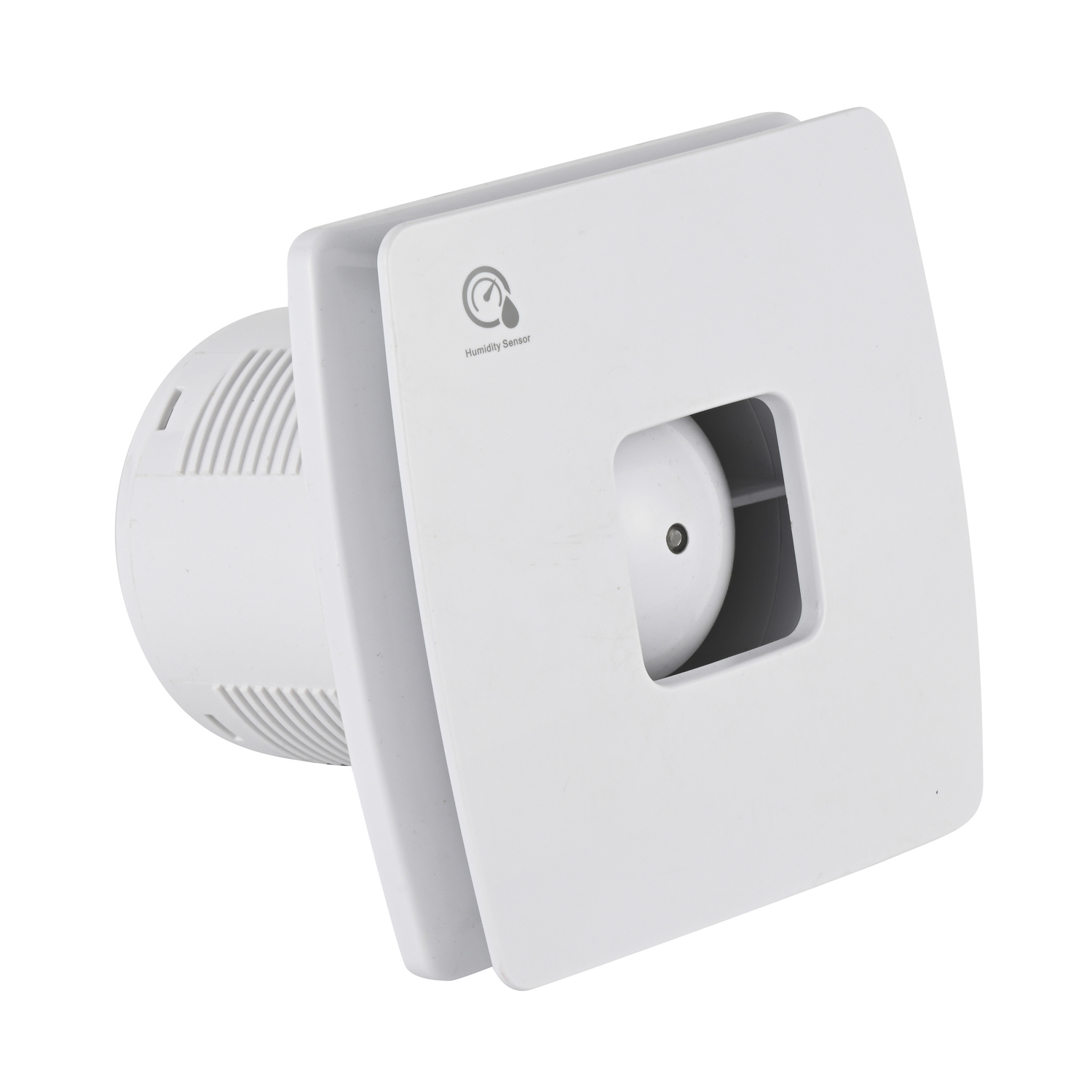
Step 1: Assess Your Room's Specific Needs
Different rooms have different ventilation requirements. The first step is to identify the primary function of the space.
- Bathroom & Toilet: The main enemy here is moisture from showers and baths. A high-quality bathroom exhaust fan or toilet exhaust fan is essential to prevent mold, mildew, and peeling paint. For added functionality, consider a bathroom light exhaust fan that combines illumination with ventilation.
- Kitchen: Cooking generates grease, smoke, and odors. A powerful kitchen exhaust fan (often a range hood) is necessary to extract these contaminants and excess heat.
- Garage: Fumes from vehicles, paints, or chemicals require a robust garage exhaust fan. These fans often need higher airflow capacity (CFM) to handle larger volumes of air.
- Attic: Heat buildup in the attic can drastically increase cooling costs. An attic exhaust fan helps expel hot air, regulating temperature and protecting roof materials.
- General Rooms: For overall air circulation and removing stale air, a ventilation exhaust fan or a wall mounted exhaust fan can be installed in living areas, laundry rooms, or basements.
Step 2: Understand Key Technical Specifications
Once you know the room's purpose, you need to match it with the right fan specs.
| Specification | What It Means | Why It Matters |
|---|---|---|
| Airflow (CFM) | Cubic Feet per Minute - the volume of air moved. | Determines how quickly the fan can refresh the air. A small bathroom may need 50-80 CFM, while a large kitchen needs 150+ CFM. |
| Noise Level (Sones) | A measure of sound output. | Lower sones mean quieter operation. Crucial for bedrooms, living rooms, and home offices. |
| Energy Efficiency | Power consumption (Watts) relative to airflow. | Energy Star-rated fans use less electricity, saving money on utility bills. Look for efficient motors. |
For example, when choosing a ceiling exhaust fan for a master bathroom, you might prioritize a model with a higher CFM and a low sone rating for quiet, effective moisture removal.
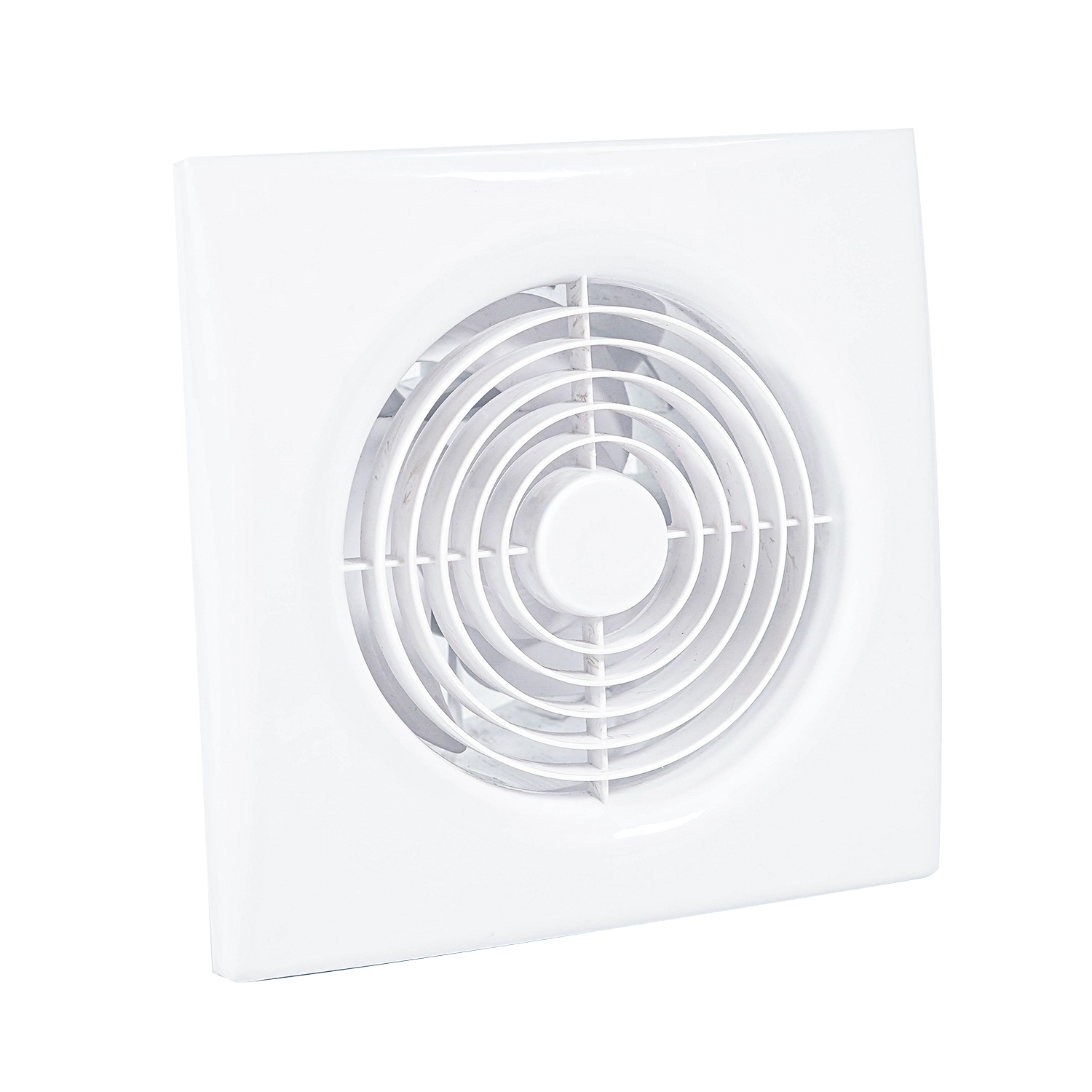
Step 3: Choose the Right Type and Installation Method
The installation location often dictates the fan type.
- Ceiling Exhaust Fan: The most common type, installed between ceiling joists. Ideal for bathrooms and kitchens where ductwork can be routed to an exterior wall or roof.
- Wall Mounted Exhaust Fan: Installed directly on an exterior wall. A great solution for rooms without attic access, like basements or interior bathrooms with an adjoining exterior wall.
- Window Exhaust Fan: Fits into a window frame. A versatile and often portable option for temporary or rental situations where permanent installation isn't possible.
- Inline Exhaust Fan: The fan unit is installed in the ducting, away from the room. This allows for extremely quiet operation as the motor noise is isolated.
Consider the duct run length and the number of bends. Longer, more complex duct runs require a fan with a more powerful motor to overcome static pressure.
Step 4: Prioritize Quality, Safety, and Certifications
This is where choosing a reputable manufacturer like Aosun makes all the difference. A fan is a long-term investment, and its reliability is paramount.
Aosun, a professional ventilation equipment manufacturer with over 10 years of experience, exemplifies the standards to look for. Their 20,000+ sqm factory houses 8 modern production lines, enabling an annual output of over 1 million units. But beyond capacity, it's their commitment to quality that stands out.
Always verify that the exhaust fan carries the necessary safety and performance certifications for your region. For instance, Aosun products hold multiple international approvals, ensuring they meet stringent standards:
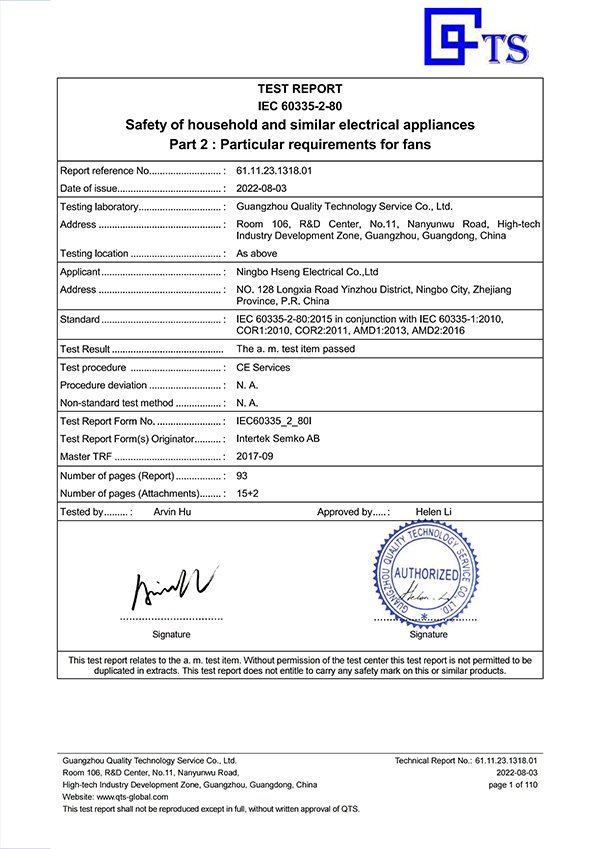
- CE Marking (LVD & EMC): Indicates conformity with health, safety, and environmental protection standards for products sold within the European Economic Area. Certificates like 61.11.23.1318.01 Exhaust FanCE-LVD and QTS800225512-Exhaust-Fan-CE-EMC are proof of compliance.
- UKCA Marking: The UK Conformity Assessed mark for goods placed on the market in Great Britain, as seen in certificate QTS800225513-Exhaust-Fan-UKCA-EMC.
- RoHS: Restriction of Hazardous Substances directive, ensuring the product is free from specific hazardous materials (QTS800524557-Exhaust-Fan-RoHS).
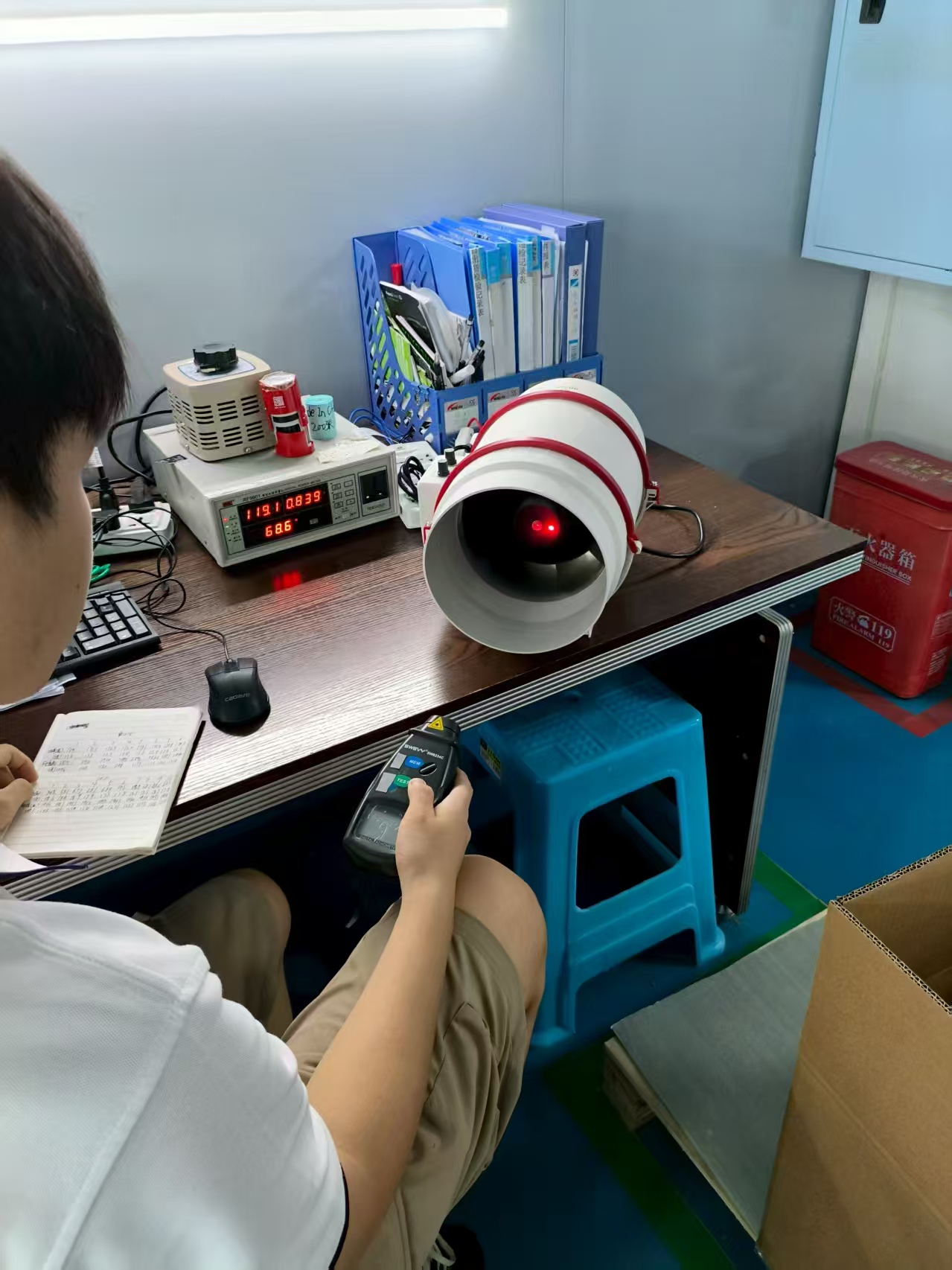
These certifications are not just stickers; they are the result of rigorous testing in facilities like the Fan air volume detection room and Ventilation fan motor detection stations at the Aosun factory.
Step 5: Consider Additional Features and Aesthetics
Modern exhaust fans offer features that enhance convenience and integration:
- Humidity Sensors: Automatically turn the bathroom exhaust fan on when moisture levels rise and off when the air is dry.
- Motion Sensors/Timers: Provide hands-free operation or ensure the fan runs for a set period after you leave the room.
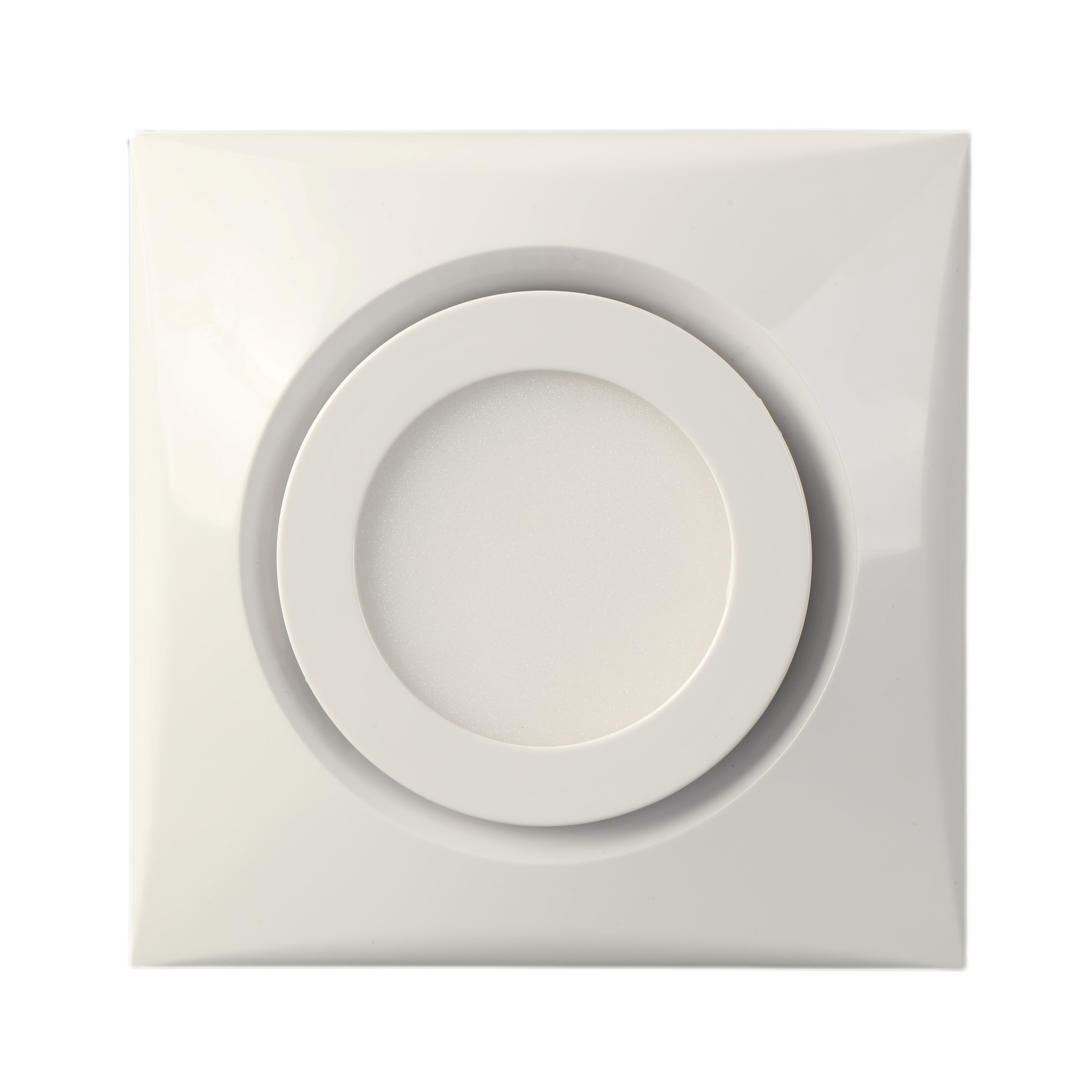
- Lighting: Integrated LED lights in bathroom light exhaust fan models save space and provide efficient illumination.
- Design: Grilles and covers come in various finishes (white, chrome, brushed nickel) to blend with your décor.
Aosun's in-house R&D team has developed over 100 models, offering a wide range of these smart features across their product lines for ceiling exhaust fans, wall mounted exhaust fans, and more.
Step 6: Plan for Proper Installation and Maintenance
Even the best fan will underperform if installed incorrectly. Ensure the duct is as short and straight as possible, venting directly outside—never into an attic or crawl space. Use insulated, rigid metal ducting where possible to prevent condensation and improve airflow.
For maintenance, regularly clean the grille and fan blades to prevent dust buildup, which can reduce efficiency and become a fire hazard in kitchen exhaust fans. Check that the exterior damper opens and closes freely.
Why Source from a Professional Manufacturer Like Aosun?
For contractors, distributors, and businesses, partnering with a reliable manufacturer is key. Aosun provides significant advantages:
- Proven Manufacturing Scale: With an annual capacity of 1 million+ units and flexible production scheduling, they reliably fulfill large OEM, ODM, and project orders.
- End-to-End Control: From the Injection molding process of ventilation fan components to the Assembly of internal components, every step is controlled in-house, ensuring consistency and quality.
- Global Reach: Their products are exported to over 50 countries across Europe, America, Asia, and Oceania, demonstrating wide market acceptance and adaptability to various standards.
- Technical Expertise: Their experienced team can provide support for product selection, customization, and system integration for any application, from a simple toilet exhaust fan to a complex commercial ventilation exhaust fan system.

Choosing the right exhaust fan involves careful consideration of your space, technical needs, and product quality. By following this guide, you can ensure effective ventilation that improves comfort, health, and home durability. For those in the trade looking for a dependable supply partner, Aosun represents a combination of scale, expertise, and certified quality that can meet diverse global demands.
Ready to find the perfect ventilation solution? Explore Aosun's extensive range of certified exhaust fans. Contact their team today for technical catalogs, OEM/ODM inquiries, and pricing.
Phone/WhatsApp: +86 18606589361
Email: alan.h@elmakelectrical.com
Website: https://www.aosvents.com/
Have Questions or Need More Details?
Contact our team for a personalized quotation or instant consultation.
Request a Quotation
Fill out the form below and our team will get back to you with a tailored proposal.
WhatsApp Direct Chat
Prefer to chat in real-time? Message us on WhatsApp for instant assistance & quick answers.
- Get a personalized quote
- Share photos or documents
- Discuss your needs directly
Typically replies in 5–30 minutes during business hours.