
How to Choose the Right Exhaust Fan for Your Home: A Complete 2026 Buyer's Guide
How to Choose the Right Exhaust Fan for Your Home: A Complete 2026 Buyer's Guide
As we move further into 2026, the importance of indoor air quality (IAQ) continues to be a major focus for homeowners and builders alike. With people spending more time indoors and growing awareness of health impacts from mold, pollutants, and excess humidity, selecting the right exhaust fan is no longer an afterthought—it's a critical component of a healthy, comfortable, and energy-efficient home. This comprehensive guide will walk you through the key factors to consider, helping you make an informed decision whether you need a bathroom exhaust fan, a powerful kitchen exhaust fan, or a robust attic exhaust fan.
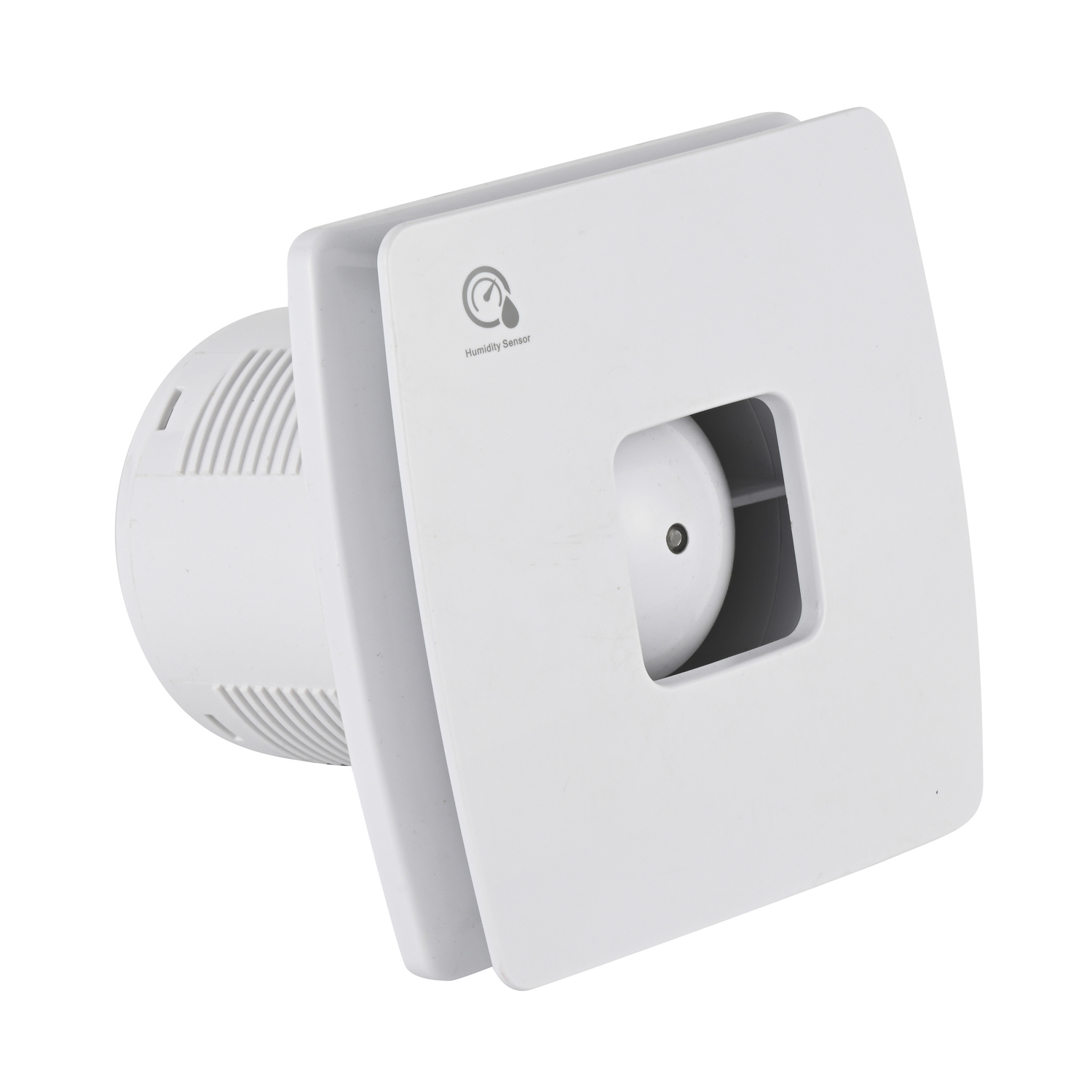
Step 1: Identify Your Specific Application and Room
The first and most crucial step is to match the fan to its intended environment. Different rooms have vastly different ventilation requirements.
- Bathroom & Toilet Exhaust Fans: These are essential for removing steam from showers and odors. Look for models with appropriate Cubic Feet per Minute (CFM) ratings and low sones (noise level). A bathroom light exhaust fan combines lighting and ventilation, saving space and simplifying installation. For smaller bathrooms or toilets, a dedicated toilet exhaust fan is a perfect solution.
- Kitchen Exhaust Fans: Designed to handle grease, smoke, and cooking odors. A kitchen exhaust fan often requires a higher CFM and may need ducting to the outside. Consider models with built-in filters for grease capture.
- Garage & Workshop Exhaust Fans: A garage exhaust fan needs to remove fumes from vehicles, paint, or chemicals. Durability and powerful airflow are key here.
- Attic & Whole-House Ventilation: An attic exhaust fan helps expel hot, stagnant air, reducing cooling costs and preventing moisture buildup that can damage roof structures.
- General Ventilation: For rooms without dedicated ducting, a window exhaust fan or a wall mounted exhaust fan offers flexible installation. A ceiling exhaust fan is a common choice for centrally ducted systems in bathrooms and kitchens.
Industry Insight: The Rise of Smart and Energy-Efficient Models
The ventilation industry in early 2026 is seeing a strong trend towards integration with smart home systems. Fans with humidity sensors, motion activation, and Wi-Fi connectivity are becoming standard in new constructions. Furthermore, stricter global energy regulations are pushing manufacturers like Aosun to innovate with high-efficiency brushless DC motors that consume significantly less power while delivering superior performance. When choosing a ventilation exhaust fan, considering its energy star rating or equivalent certification can lead to long-term savings.
Step 2: Calculate the Required Airflow (CFM)
Size matters. An undersized fan won't effectively clear the air, while an oversized one is wasteful and noisy. The basic calculation is simple:
Required CFM = Room Volume (Length x Width x Height in feet) x Air Changes per Hour (ACH) / 60
For bathrooms, a common rule of thumb is 1 CFM per square foot of floor area. For an 8' x 10' bathroom, you'd want at least an 80 CFM bathroom exhaust fan. For kitchens, aim for 100 CFM for every 10,000 BTUs of your stove's output.
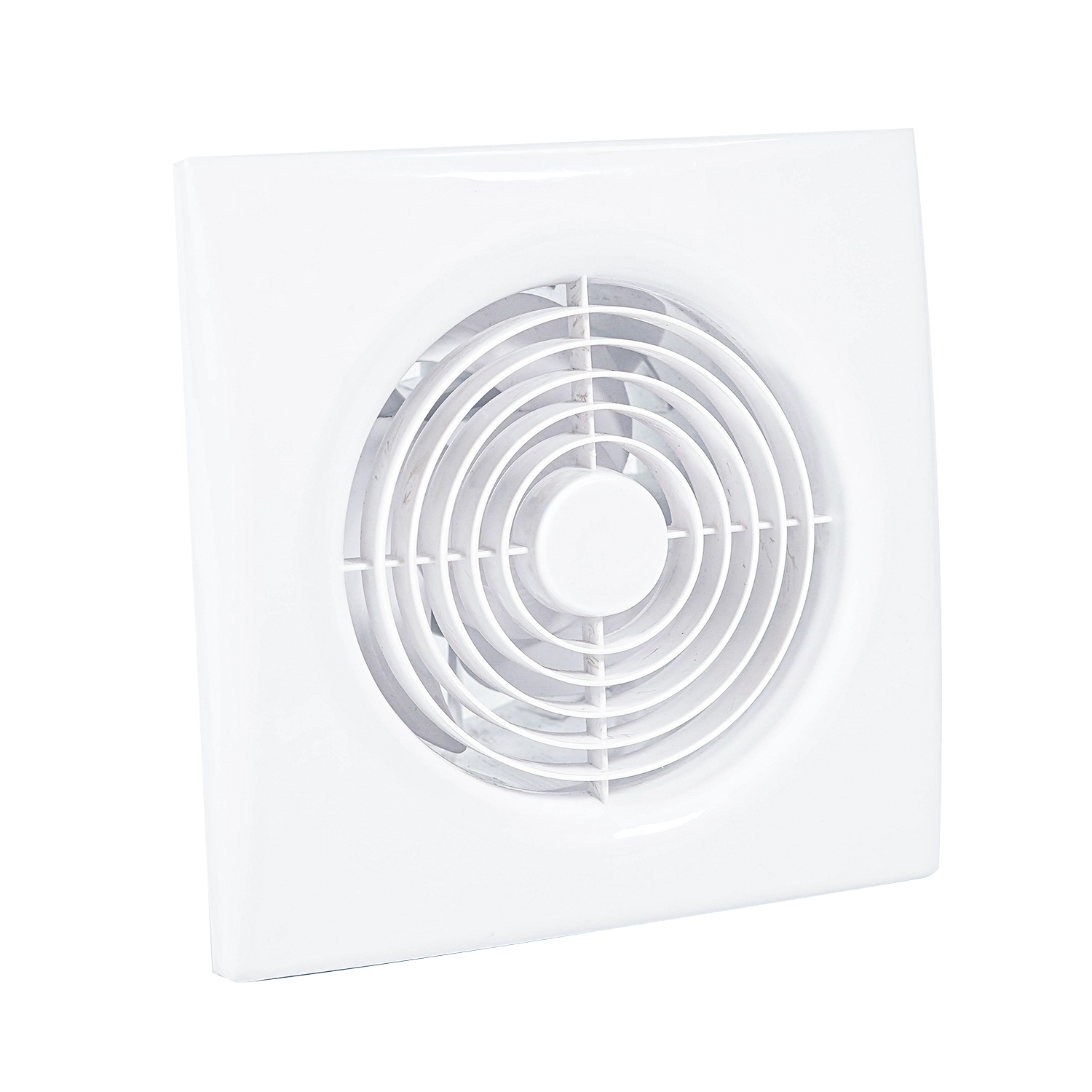
Step 3: Consider Noise Level (Sones)
The noise level of an exhaust fan is measured in sones. One sone is roughly the sound of a quiet refrigerator. For bedrooms or quiet bathrooms, look for fans rated at 1.0 sone or less. For kitchens or garages, a higher sone rating (2.0-4.0) may be acceptable for more powerful airflow. Premium manufacturers prioritize acoustic design to move air quietly.
Step 4: Evaluate Installation Type and Ducting
Your existing infrastructure will guide your choice:
- Ceiling Exhaust Fan: Requires attic access for ducting to an outside vent. Most common for bathrooms.
- Wall Mounted Exhaust Fan: Installed directly on an exterior wall. Ideal for rooms without attic access.
- Window Exhaust Fan: A simple plug-and-play option that fits into a window frame.
- In-Line Exhaust Fan: The fan unit is mounted in the ducting, often in the attic, allowing for a very quiet operation in the room itself.
Step 5: Look for Quality, Certifications, and Trusted Manufacturers
This is where due diligence pays off. A quality exhaust fan should be built to last for years of continuous use. Key indicators include:
- International Certifications: Ensure the product meets safety and performance standards for your region. For example, Aosun ventilation fans carry comprehensive certifications including CE-LVD, CE-EMC, UKCA, and RoHS, which are essential for markets in Europe and the UK. These certifications are not just stickers; they represent rigorous testing for electrical safety, electromagnetic compatibility, and restriction of hazardous substances.
- Motor Quality: The motor is the heart of the fan. Look for thermally protected, permanently lubricated motors from reputable suppliers. Aosun's in-house motor production line allows for strict quality control over this critical component.
- Manufacturing Capability: A manufacturer's scale and expertise often correlate with product reliability. Aosun, with over 10 years as a professional ventilation equipment manufacturer, operates a 20,000+ sqm facility with 8 modern production lines. This vertical integration—from injection molding to automated assembly—ensures consistency and the capacity to produce over 1 million units annually.
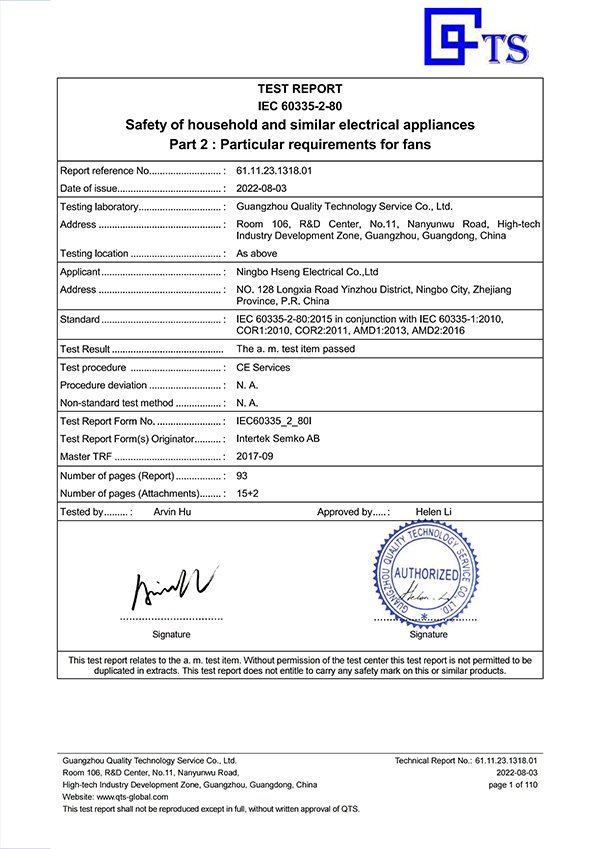
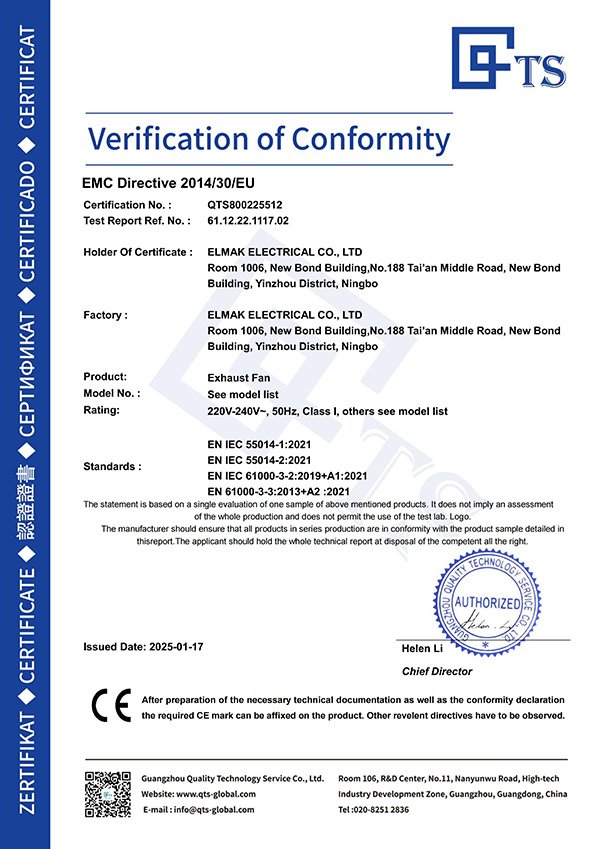
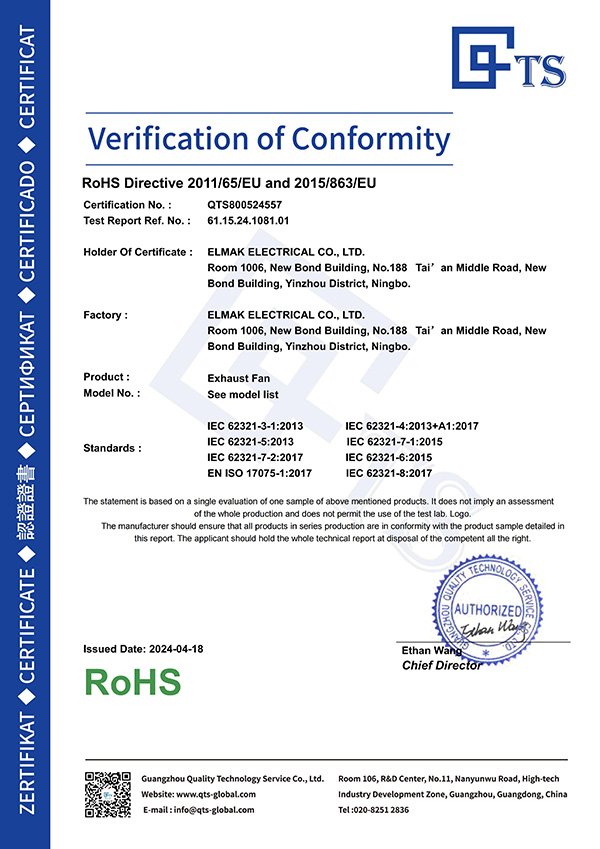
Examples of Aosun's exhaust fan certifications including CE-LVD, CE-EMC, and RoHS, ensuring compliance with international standards.
Step 6: Don't Forget Aesthetics and Added Features
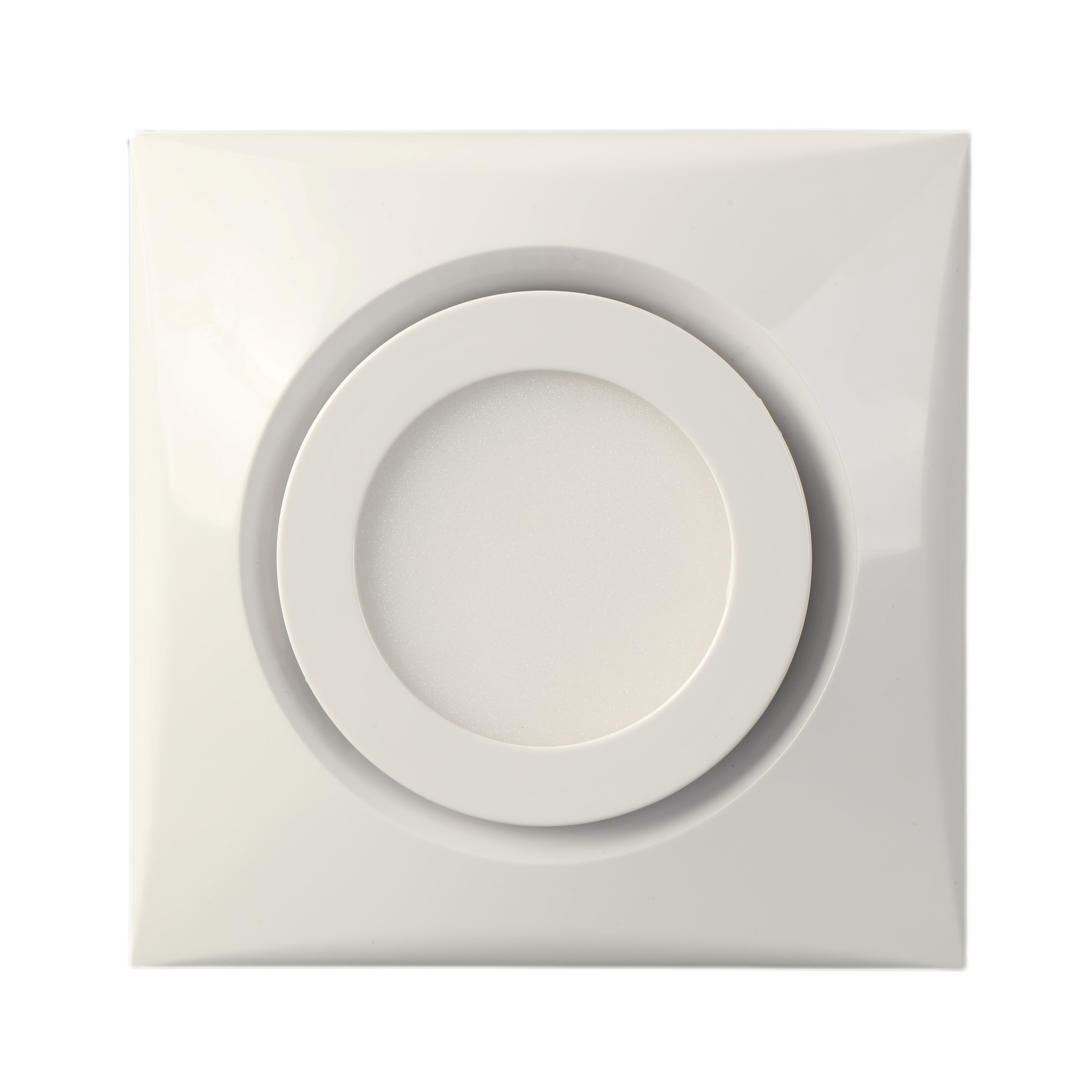
Today's exhaust fans blend functionality with design. Grilles come in various finishes (white, chrome, brushed nickel) to match your décor. Features like built-in LED lighting (as in a bathroom light exhaust fan), humidity sensors that automatically turn the fan on/off, and timer switches add convenience and further improve energy efficiency.
Why Partner with a Professional Manufacturer Like Aosun?
For wholesalers, retailers, or project developers, choosing the right manufacturing partner is as important as choosing the right product. Aosun stands out for several reasons:
- Deep R&D Expertise: Their in-house team has developed over 100 models of ventilation exhaust fans, ensuring a product for nearly every application—from residential ceiling exhaust fans to industrial-grade garage exhaust fans.
- Proven Global Reach: With products exported to over 50 countries across Europe, America, Asia, and beyond, Aosun understands diverse market requirements and climatic conditions.
- Flexible Production Models: They reliably support OEM, ODM, and large project orders, offering customization to meet specific design or performance needs.
- End-to-End Quality Control: From the injection molding process of ventilation fan components to final fan air volume detection, every stage is monitored. Their factory photos showcase organized assembly lines and dedicated testing rooms.
Choosing the perfect exhaust fan involves balancing technical requirements with practical considerations. By following this guide—defining your need, calculating CFM, checking noise, planning installation, and verifying quality—you can ensure you select a ventilation solution that will provide fresh air, protect your property, and operate reliably for years to come.
For more information on their range of attic exhaust fans, kitchen exhaust fans, wall mounted exhaust fans, and other ventilation solutions, visit the official Aosun website at https://www.aosvents.com/ or contact their team directly at Phone/WhatsApp: +8618606589361 or Email: alan.h@elmakelectrical.com.
Have Questions or Need More Details?
Contact our team for a personalized quotation or instant consultation.
Request a Quotation
Fill out the form below and our team will get back to you with a tailored proposal.
WhatsApp Direct Chat
Prefer to chat in real-time? Message us on WhatsApp for instant assistance & quick answers.
- Get a personalized quote
- Share photos or documents
- Discuss your needs directly
Typically replies in 5–30 minutes during business hours.