
Procurement Guide: How to Identify and Select a High-Quality Exhaust Fan Manufacturer
A Strategic Guide for Global Buyers in the Ventilation Industry
In the global ventilation equipment market, selecting the right manufacturing partner is a critical business decision that impacts product quality, supply chain reliability, and ultimately, market competitiveness. For procurement professionals, importers, and brand owners sourcing exhaust fans, the challenge lies in efficiently navigating a vast supplier landscape to find partners that combine technical capability, manufacturing excellence, and commercial reliability. This guide outlines a systematic, multi-criteria framework to help you evaluate and select a premium exhaust fan manufacturer.
1. Define Your Application and Technical Specifications
The first step is a precise definition of your requirements. Exhaust fans are not a one-size-fits-all product. Performance needs vary drastically by application. Clarify the primary use case to narrow your search for specialized manufacturers.
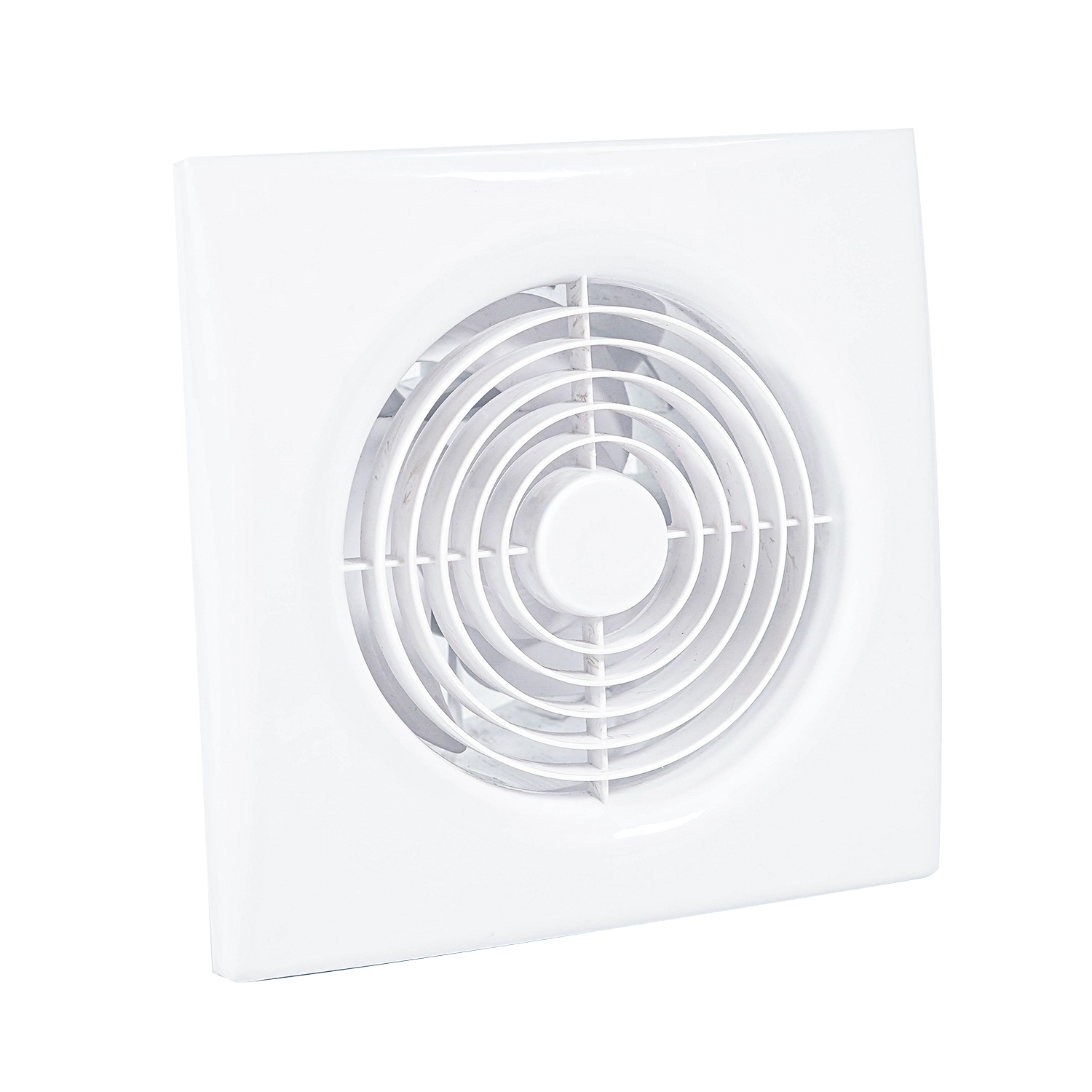
- Residential Applications: Require quiet operation, aesthetic design, and integration features. Look for specialists in bathroom exhaust fans, bathroom light exhaust fans, kitchen exhaust fans, and toilet exhaust fans. Energy efficiency and low noise levels (measured in sones) are key.
- Commercial & Industrial Applications: Prioritize high airflow (CFM), durability, and continuous operation. Suppliers for ventilation exhaust fans, garage exhaust fans, and attic exhaust fans should demonstrate expertise in motor power and robust construction.
- Installation Type: Determine if you need ceiling exhaust fans, wall mounted exhaust fans, or window exhaust fans. This affects product design, motor configuration, and housing materials.
A manufacturer with a broad portfolio, like Aosun, which has independently developed over 100 models covering these diverse applications, can offer more integrated solutions and flexibility for varied project needs.
2. Assess Manufacturing Scale and Technical Capability
A supplier's physical and technical infrastructure is a direct indicator of its capacity to deliver consistent quality at scale. Key factors to investigate include:
- Factory Scale & Output: Visit the facility if possible, or review detailed documentation. A plant size of over 20,000 square meters, like that of Aosun, housing 190+ employees and producing over 1 million units annually, signals strong production muscle.
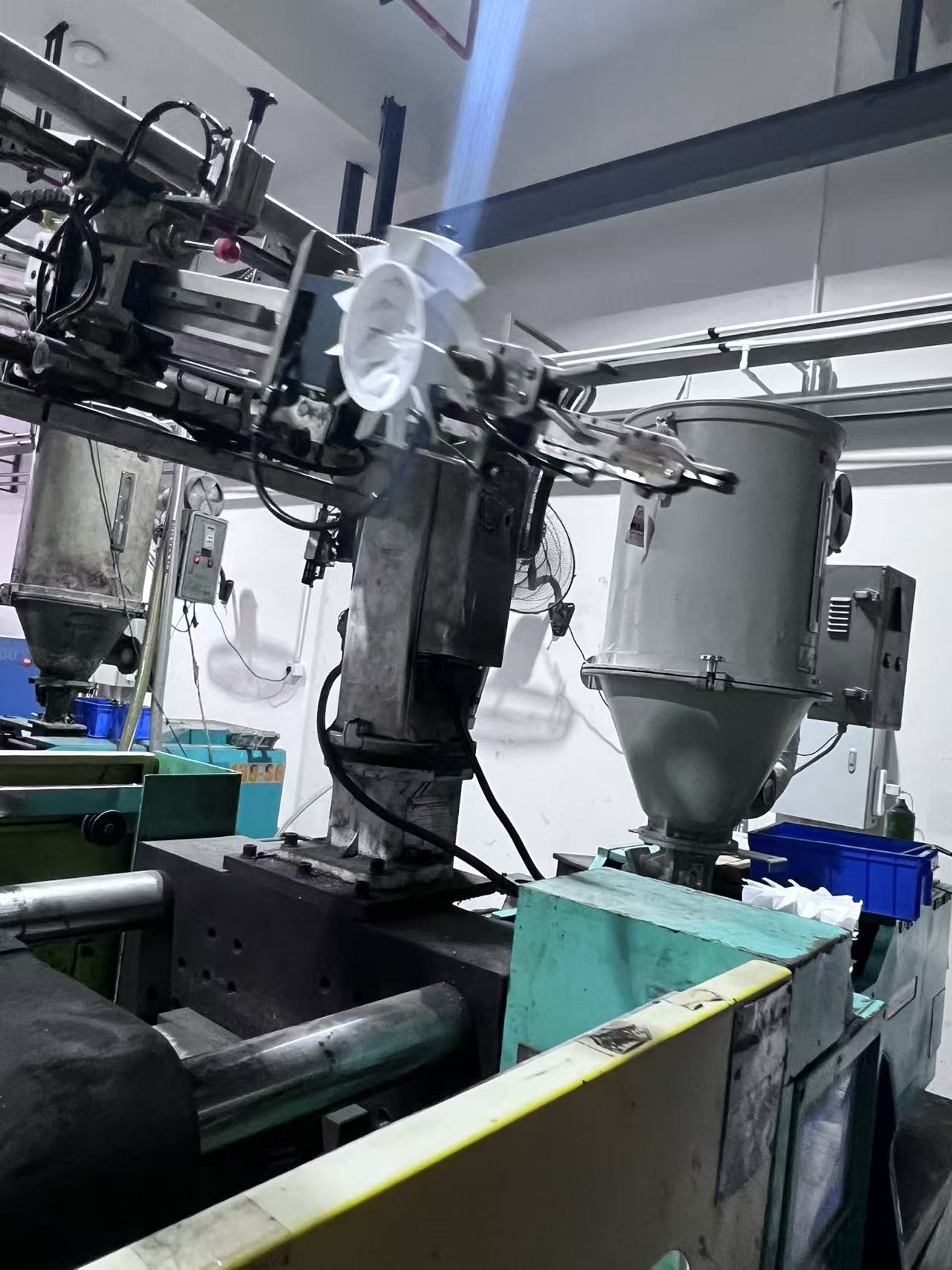
- Production Line Sophistication: Modern, dedicated lines are essential. Look for mentions of precision injection molding for consistent housings, in-house high-performance motor production for quality control, and fully automated assembly lines for efficiency. Eight such integrated lines represent a significant investment in manufacturing excellence.
- In-House R&D: A dedicated engineering team is crucial for customization (ODM/OEM) and innovation. A manufacturer with "over 10 years of focused manufacturing experience" and a team that has developed numerous proprietary models demonstrates deep industry know-how and the ability to adapt to specific market demands, such as designing more energy-efficient ceiling exhaust fans or quieter bathroom light exhaust fans.
3. Verify Quality Assurance and International Compliance
For global market access, regulatory compliance is non-negotiable. A reputable manufacturer will have its certifications readily available and integrated into its production process.
- Mandatory Market Certifications: For Europe and the UK, ensure products carry valid CE (including LVD and EMC directives) and UKCA marks. These should be supported by test reports from accredited bodies. For instance, certificates like "QTS800225512-Exhaust-Fan-CE-EMC" and "QTS800225513-Exhaust-Fan-UKCA-EMC" provide tangible proof of electromagnetic compatibility compliance.
- Product Safety & Environmental Standards: The RoHS (Restriction of Hazardous Substances) directive is critical for environmental compliance in many regions. Certificates such as "QTS800524557-Exhaust-Fan-RoHS" confirm the manufacturer's commitment to these standards.
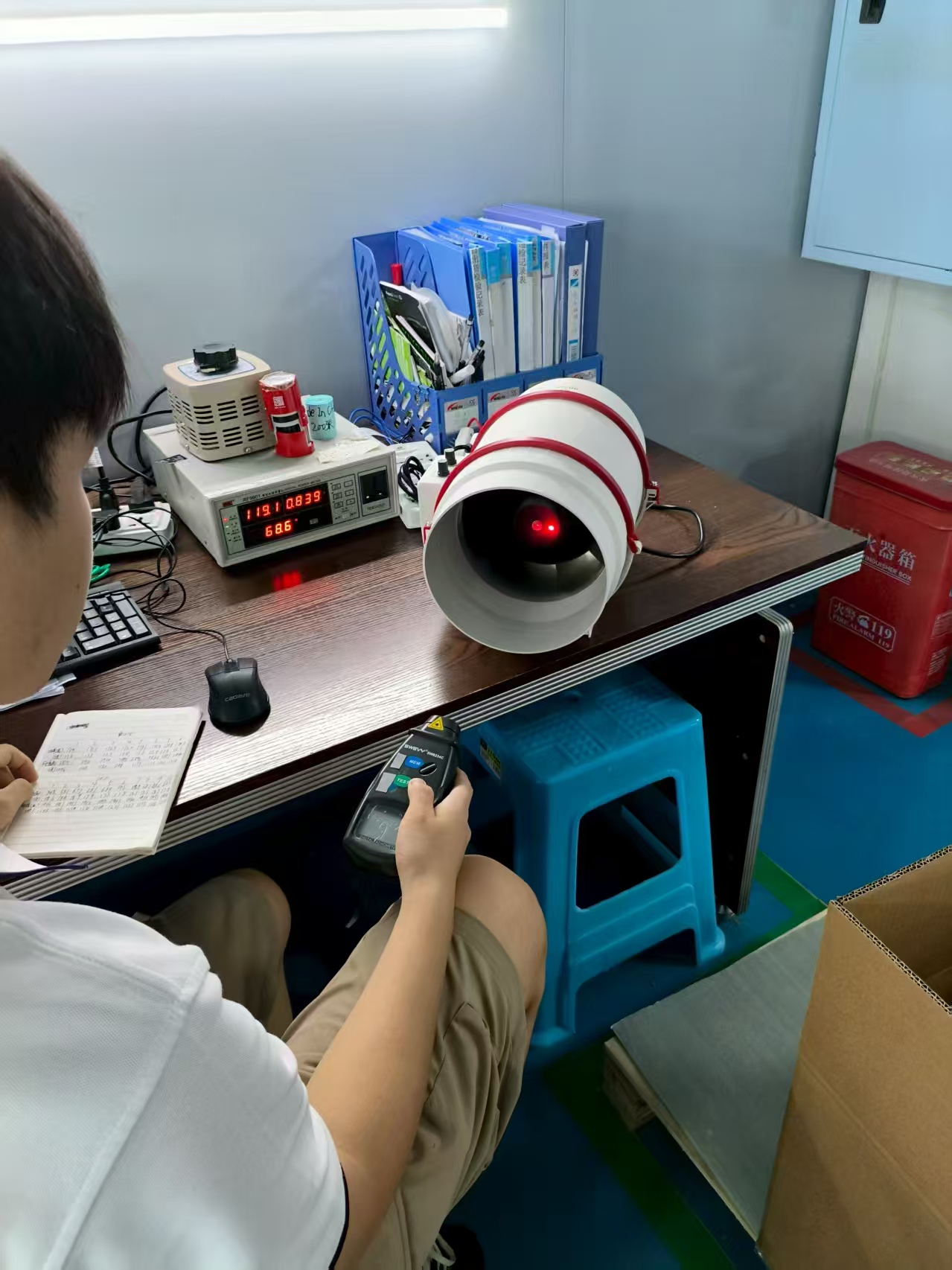
- Internal Quality Controls: Beyond certificates, inquire about the in-factory QC process. A robust system includes stages like "motor detection", "air volume detection", and final performance testing to ensure every kitchen exhaust fan or garage exhaust fan meets specified airflow and noise benchmarks before shipment.
4. Evaluate Supply Chain Reliability and Service Support
A manufacturer's ability to be a long-term partner depends on logistical reliability and support structures.
- Production Capacity & Flexibility: An annual output capability of 1 million+ units, supported by flexible scheduling, indicates the ability to handle large OEM/ODM orders and urgent project requirements without compromising on lead times.
- Global Export Experience: A track record of exporting to 50+ countries across Europe, North America, Asia, and other continents is a strong testament to a manufacturer's understanding of diverse market requirements, packaging standards, and logistics. It suggests reliability in navigating international trade.
- Communication & Project Support: Assess the responsiveness and technical competency of the sales and engineering teams. A manufacturer that provides clear channels (e.g., Phone/WhatsApp: +8618606589361, Email: alan.h@elmakelectrical.com) and offers support from technical consultation to after-sales service adds significant value.
5. Comparative Analysis: A Practical Framework
When shortlisting manufacturers, create a comparative scorecard. For illustration, consider how a manufacturer like Aosun stacks up against general criteria, alongside other typical industry players.
| Evaluation Criteria | Established Full-Scale Manufacturer (e.g., Aosun) | Medium-Sized Specialist | Small Trading/Assembler |
|---|---|---|---|
| In-House Production | Full vertical integration (molding, motor, assembly). | May assemble from sourced parts; limited key component production. | Primarily sourcing and reselling; no significant manufacturing. |
| R&D & Customization | Strong ODM/OBM capability; 100+ proprietary models. | Limited customization on existing designs. | Standard catalog products only. |
| Certifications | Comprehensive (CE, UKCA, RoHS) with full documentation. | Basic certifications for main markets. | Certifications may be inconsistent or model-specific. |
| Scale & Reliability | High (1M+ units/year); stable for large projects. | Suitable for mid-volume orders. | Low volume; potential supply instability. |
By applying this structured framework—defining needs, auditing capabilities, verifying compliance, and assessing partnership potential—procurement teams can make informed, strategic decisions. The goal is to move beyond price alone and identify a manufacturer whose strengths in exhaust fan design, ventilation technology, and global supply chain management align with your long-term business objectives and quality standards. For more detailed specifications and to explore a comprehensive range from attic exhaust fans to wall mounted exhaust fans, visiting a manufacturer's official website, such as https://www.aosvents.com, is a recommended step for due diligence.
Have Questions or Need More Details?
Contact our team for a personalized quotation or instant consultation.
Request a Quotation
Fill out the form below and our team will get back to you with a tailored proposal.
WhatsApp Direct Chat
Prefer to chat in real-time? Message us on WhatsApp for instant assistance & quick answers.
- Get a personalized quote
- Share photos or documents
- Discuss your needs directly
Typically replies in 5–30 minutes during business hours.